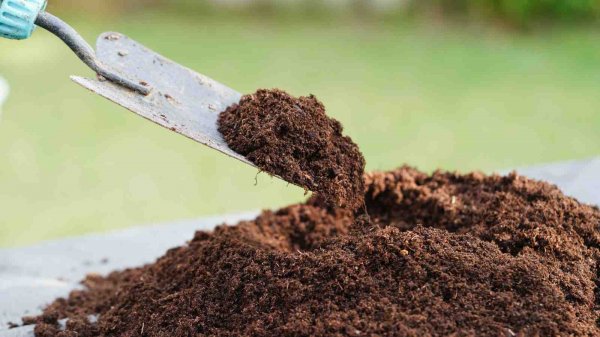
Gardeners looking to reduce their environmental footprint are increasingly turning to peat-free soil mixes, a shift driven by concerns over the sustainability of harvesting ancient peat bogs. Peat, a natural soil amendment prized for its moisture retention and structure, has long been a staple in potting mixes and seed-starting products. However, its extraction releases stored carbon dioxide and disrupts unique wetland ecosystems, prompting many to seek alternatives.
Peatlands cover an estimated 2.7% of the Earth's surface, with sphagnum peat commonly sourced from bogs in Michigan and Canada that formed over 10,000 years ago. These bogs, often found in conifer forests or tundra zones, accumulate decayed organic matter under oxygen-poor conditions, resulting in a sterile, acidic substance. While peat is effective at holding water and improving soil aeration, its harvest removes the living surface layer and releases carbon, a process that can take centuries to reverse.
Environmental Costs and Restoration Challenges
Beyond carbon emissions, peat bogs provide critical ecosystem services, including stormwater management and habitat for native wildlife. Organizations like the International Peatland Society advocate for responsible management and restoration, but recovery is slow. A harvested bog may take 30 to 40 years to stop emitting carbon and centuries to fully regenerate, making the case for renewable alternatives stronger.
For gardeners, the shift is not just environmental. Peat has a hydrophobic tendency when dry, repelling water and causing soil to crack, which can stress roots during dry spells. Peat-free mixes, often based on compost or coconut coir, may avoid these dehydration issues and offer additional benefits like a more neutral pH, which suits plants that prefer less acidic conditions.
Alternatives and DIY Recipes
Coconut coir, a fiber from coconut husks, is the most direct substitute, offering similar moisture retention and a light, porous texture. However, coir is not nutrient-rich and carries a carbon footprint from shipping, primarily from India and Sri Lanka. Compost, leaf mold, and aged bark are other viable amendments that enrich soil with nutrients and support microbial life, unlike peat which lacks nutritional value.
For those ready to make their own peat-free mixes, simple recipes can be tailored to different plant needs. A seed-starting mix combines one part compost, one part rehydrated coco coir, and one part coarse sand or perlite, with a cup of fertilizer such as alfalfa meal or kelp. For edibles, a blend of two parts compost, two parts coir, and one part sand works well. Ornamental mixes can use equal parts compost, coir, garden soil, and sand or perlite. Adjust fertilizer amounts carefully—too much can harm young plants.
Ready-made peat-free blends are also widely available, offering convenience for those who prefer not to mix their own. As awareness grows, the market for sustainable soil options continues to expand, giving gardeners more choices to align their practices with environmental values.