For gardeners with limited outdoor space, growing an orange tree indoors offers a way to enjoy lush foliage and fresh fruit year-round. Compact varieties such as calamondin, tangerine, and Valencia orange can thrive in containers, provided they receive the right care. This guide covers the essential steps, from choosing the right variety to managing common issues like pests and leaf drop.
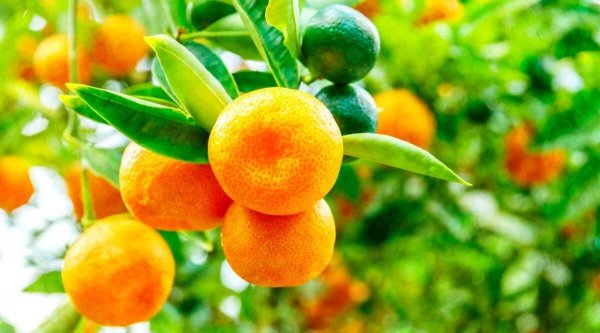
Orange trees (Citrus × sinensis) are evergreen trees native to Southeast Asia, where they grow in warm, tropical climates. Outdoors, they can reach over 30 feet, but when confined to a pot, they stay much smaller—typically up to six feet indoors. They require a minimum temperature of 50°F to survive, making indoor environments ideal for those in colder regions. The glossy leaves, fragrant white flowers, and tart fruits make them an attractive addition to any room.
Choosing the Right Variety
Not all orange trees are suited for indoor life. Look for dwarf or semi-dwarf varieties that are naturally compact and can tolerate less than full sun. The calamondin orange is the most popular choice, producing small, tart fruits perfect for marmalades. Tangerine trees are also compact and offer a flavor similar to oranges. Valencia oranges, while slightly taller, are prized for their sweet juice. When purchasing, check the label to ensure the variety is container-friendly.
Light and Watering Essentials
To encourage fruit production, indoor orange trees need at least four to six hours of direct sunlight daily, ideally from a south-facing window. If natural light is insufficient, supplement with grow lights. Rotate the pot weekly to ensure even growth. Watering is equally critical: allow the top half of the soil to dry out between waterings, then water thoroughly. Overwatering can lead to root rot, while underwatering causes yellowing leaves. Adjust frequency based on pot size and home humidity.
Soil, Temperature, and Fertilizing
Use a well-draining citrus potting mix, or amend standard potting soil with coconut coir and sand. Avoid garden soil, which is too dense and may introduce pests. Keep the tree in a warm spot with consistent temperatures, avoiding drafts from air conditioners or open windows. Humidity should be moderate; use a humidifier if the air is dry, but avoid directing mist directly at the plant. Fertilize every one to two months with a citrus-specific fertilizer to replenish nutrients depleted from container soil.
Maintenance and Propagation
Prune regularly to shape the tree and remove dead or diseased branches. Repot every three to four years into a pot one or two sizes larger, with drainage holes. Trim any dead roots during repotting and keep the soil level consistent to avoid trunk damage. Propagation from seed is possible but may not produce fruit identical to the parent, and it takes several years. Cuttings are more reliable: take a six-inch branch with at least two leaf sets, dip in rooting hormone, and plant in a moist mix. Cover with plastic to maintain humidity until roots develop.
Common Problems and Solutions
Yellowing leaves often signal watering issues or nutrient deficiency. Adjust watering and consider fertilizing. Leaf drop can result from sudden temperature or humidity changes, so maintain a stable environment. Stunted growth usually points to poor light or soil—ensure at least four hours of sun and use well-draining soil. Lack of fruit may be due to insufficient light, nutrients, or irregular watering; hand-pollinate flowers with a small brush to boost yield. Watch for pests like scale and spider mites, treating with insecticidal soap or neem oil. Diseases such as root rot, powdery mildew, and citrus canker are less common indoors but can be managed with proper care and targeted treatments.
Growing an indoor orange tree is a rewarding endeavor for those without outdoor space. By following these care guidelines, you can enjoy the beauty and bounty of citrus right in your living room.