For many older adults, the thought of giving up gardening due to physical limitations can be disheartening. Yet research suggests that continuing to garden in later years offers significant health benefits, from reducing the risk of heart attacks and strokes to improving mental well-being. With the right tools and strategies, seniors can maintain an active gardening lifestyle well into their golden years.
Gardening is a form of low-impact exercise that builds strength, flexibility, and endurance. A study published in the British Journal of Sports Medicine found that among people aged 60 and older, gardening was associated with a 30% reduction in the risk of heart attack or stroke. Additionally, time spent outdoors boosts vitamin D production, which is essential for bone health and immune function.
The mental benefits are equally compelling. A study conducted in the Netherlands found that gardening was more effective at relieving stress than other relaxing activities like reading. Researchers have also noted that soil contains a bacterium called Mycobacterium vaccae, which may act as a natural antidepressant. In a London-based study, cancer patients who received this bacterium alongside their treatment reported a better quality of life, with improved mood and cognitive function.
Adapting the Garden for Comfort
Physical limitations need not end a gardening hobby. Simple adjustments can make a significant difference. Raised garden beds, for example, allow seniors to plant and weed without bending or kneeling. Keeping beds to a width of three feet ensures easy reach from the side. Vertical gardening, using trellises or tiered planters, brings plants to eye level, reducing strain on the back and knees.
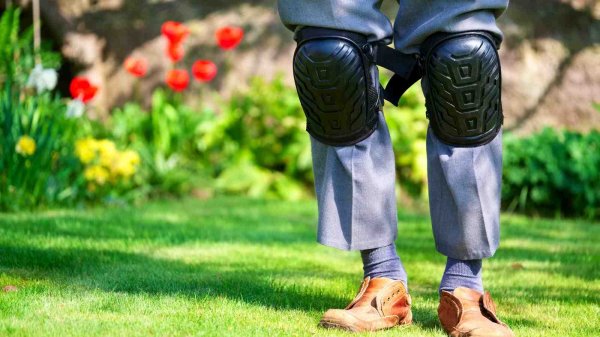
Ergonomic tools with longer handles reduce the need to bend, while garden kneelers with padded supports and built-in tool storage can make ground-level work more comfortable. For those who prefer to sit, garden scooters with swiveling seats and tool attachments allow for easy mobility around the garden.
Practical Tips for Senior Gardeners
Experts recommend gardening during cooler parts of the day, such as early morning or dusk, to avoid heat exhaustion. Staying hydrated and wearing sunscreen are also crucial. Using brightly colored tape on tool handles can make them easier to find, and alternating between light and more strenuous tasks can prevent fatigue.
Choosing low-maintenance plants that tolerate occasional neglect can also ease the pressure. For those with limited outdoor space, indoor hydroponic systems or living wall gardens offer a way to grow fresh produce year-round, even in small apartments.
Horticultural therapy has been shown to benefit dementia patients by improving memory, attention span, and social interaction. Even NASA encourages astronauts to grow plants in space, citing reduced loneliness and stress.
Ultimately, age should not be a barrier to enjoying the garden. With the right tools and techniques, seniors can continue to reap the physical, mental, and emotional rewards of gardening, proving that a green thumb knows no age.