Root rot is a silent killer of indoor pothos plants, often striking when the soil stays too wet for too long. This fungal disease, which thrives in overly moist conditions, can destroy a plant's root system and lead to its early death if not caught promptly. For houseplant enthusiasts, recognizing the warning signs is the first step to saving a beloved vine.
Pothos (Epipremnum aureum) are among the most popular indoor plants, prized for their trailing vines and low-maintenance nature. However, their resilience has a limit. When watering habits or poor drainage create persistently soggy soil, fungi in the potting mix attack the roots, cutting off the plant's ability to absorb water and nutrients. The result is a cascade of symptoms that, if ignored, can be fatal.
Wilting and Yellowing Leaves: Early Red Flags
One of the first signs of trouble is wilting leaves. While many gardeners interpret wilting as a cry for water, in overwatered pothos it signals the opposite. The roots, damaged by fungus, can no longer take up moisture, leaving stems and leaves limp even though the soil is wet. Checking the soil is key: if it's not dry and compacted, and no pests are visible, root rot is a likely culprit.
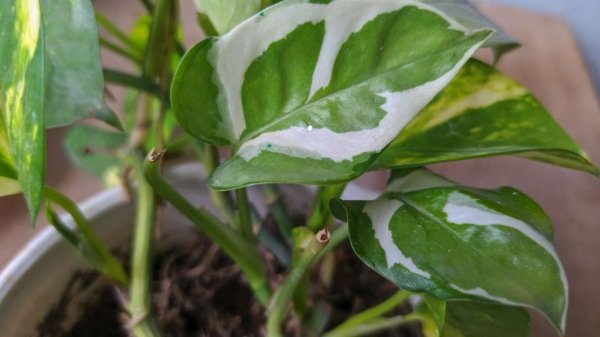
Yellowing leaves are another common symptom, but they require careful interpretation. Some pothos varieties naturally have yellow or variegated leaves, and older leaves may yellow and drop off as part of the plant's life cycle. However, when several leaves along a vine turn yellow simultaneously, it's often a sign that the roots are failing. Pothos are drought-tolerant and prefer to dry out between waterings; when watered too frequently, the roots quickly rot, leading to nutrient and water deficiencies that manifest as yellowing foliage.
Mushy Stems and Soggy Soil: Advanced Symptoms
As the disease progresses, the stems near the soil line may become brown and mushy. This indicates that the rot has spread from the roots upward, breaking down the plant's structural tissues. At this stage, the connection between the vine and its roots is compromised, making recovery difficult. In severe cases, the best course is to take cuttings from healthy parts of the vine and propagate them in fresh soil or water, discarding the damaged plant material.
Regularly inspecting the soil is just as important as checking the leaves. If the potting mix remains unusually soggy days after watering, it's a sign of poor drainage or excessive watering. This waterlogged environment suffocates the roots, preventing air circulation and accelerating decay. A pothos with advanced root rot will stop absorbing water altogether, leaving the soil perpetually wet and worsening the fungal problem.
Stunted Growth and Fungus Gnats: Subtle Clues
Pothos are vigorous growers in spring and summer, so a lack of new leaves or noticeably smaller foliage during these seasons can signal trouble. While insufficient light is a common cause of stunted growth, root rot is a more serious possibility when the soil is consistently moist. Checking the plant's environment and care routine helps distinguish between the two.
Fungus gnats, those tiny flying insects that hover around houseplants, are not a direct cause of root rot, but they thrive in the same conditions. They lay eggs in moist soil, and their presence often indicates that the growing medium is staying too wet. If fungus gnats appear alongside other symptoms like wilting or yellowing, root rot has likely taken hold.
Confirming and Treating the Disease
The only definitive way to confirm root rot is to inspect the roots. Healthy pothos roots are firm and pale; infected roots become soft, brown, and may emit a foul odor. If the diagnosis is confirmed, immediate action is necessary. Remove the plant from its pot, gently wash away all old soil, and trim away any rotted roots with sterilized shears. Repot the plant in a fresh container with well-draining potting mix, and adjust your watering schedule to allow the soil to dry out between waterings.
In cases where the roots are entirely destroyed, the best option is to take cuttings from healthy vine sections. Cut just below a node, remove the lower leaves, and root the cutting in water or fresh soil. This approach gives the plant a second chance, provided the new pot has adequate drainage and the watering routine is corrected.
Prevention remains the most effective strategy. Ensuring proper drainage in both the container and the soil, and watering only when the top inch of soil feels dry, can keep pothos thriving and free from root rot. With attentive care, this resilient plant can recover and continue to grace indoor spaces with its lush, trailing vines.