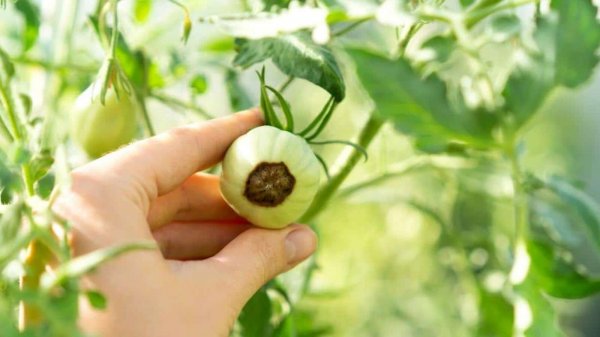
Mid-summer tomato harvests can be spoiled by an all-too-common problem: dark, sunken patches on the bottom of the fruit. Known as blossom end rot, this condition affects tomatoes and other garden crops like peppers, squash, and eggplants. While it looks like a disease, it is actually a physiological disorder linked to soil minerals and moisture levels.
Blossom end rot typically appears in early summer when the first fruits are developing. The affected areas start as water-soaked lesions that turn black, brown, or gray, often becoming leathery or mushy. The disorder is most noticeable in larger varieties such as plum, paste, and slicer tomatoes, while cherry tomatoes are rarely affected.
What Triggers the Rot?
The primary culprit is a calcium deficiency in the soil, but several factors can interfere with a plant's ability to absorb calcium. Acidic soils with a pH below 6.0 reduce calcium availability, even if the mineral is present. Excessive nitrogen from fertilizers can also inhibit calcium uptake, as can cold soil temperatures that slow root activity.
Water stress is another major contributor. Tomatoes prefer consistent moisture, and alternating drought with heavy watering can stress the plant and worsen calcium imbalances. Even a short period of water stress—as little as 30 minutes—can trigger the disorder in susceptible plants. Poor watering practices, such as frequent shallow irrigation or waterlogged soil, also lead to shallow root development and poor calcium absorption.
Immediate and Long-Term Fixes
Once a tomato shows blossom end rot, the fruit cannot be saved, but the plant can recover. A foliar calcium spray is the quickest way to boost calcium levels. Gardeners can use commercial products like Bonide Rot-Stop or make a DIY spray from crushed eggshells soaked in vinegar. Spraying should be done in the evening to avoid leaf burn.
For a long-term solution, building soil calcium levels is key. Adding crushed eggshells or oyster shell fertilizer at planting time helps, but these amendments should be mixed into the soil 6–7 inches deep. Regular soil testing can guide the need for lime or gypsum to raise pH into the optimal range of 6.5 to 8.5.
Maintaining consistent soil moisture is perhaps the most important preventive measure. Mulching with straw, grass clippings, or leaf mold helps retain moisture, while drip irrigation on timers ensures even watering. Gardeners should also avoid high-nitrogen fertilizers, opting for balanced or slow-release organic options instead.
Improving soil organic matter with compost or aged manure enhances both drainage and water retention, reducing the risk of calcium leaching. In some cases, blossom end rot only affects the first flush of fruit, and later harvests may be perfectly fine.
While the blackened bottoms can be alarming, blossom end rot is manageable. By addressing soil pH, calcium levels, and watering consistency, gardeners can protect their tomato crop and enjoy a healthy harvest.