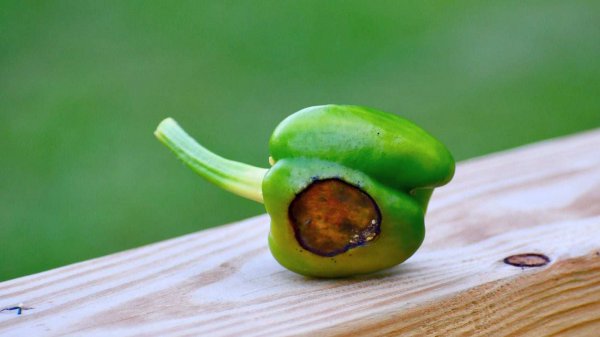
Black or brown spots on bell peppers can alarm home gardeners, but they usually trace back to four common conditions: sunscald, blossom end rot, anthracnose, or bacterial leaf spot. Each has distinct symptoms and different prospects for recovery, ranging from simple fixes to total plant loss.
Bell peppers are a popular crop for gardeners of all skill levels, yet even experienced growers encounter blemishes that mar the fruit. Identifying the cause is the first step to saving the plant and ensuring a healthy yield. Below, we break down each condition, how to recognize it, and what actions to take.
Sunscald: When Too Much Sun Harms Peppers
Sunscald occurs when developing peppers receive excessive direct sunlight, particularly on young fruit and leaves that lack mature skin. It often appears when indoor-grown plants are moved outdoors without acclimation. Affected fruit shows white or black marks that expand over time, and leaves may yellow, brown, then turn white, becoming crispy and brittle.
Pepper varieties whose fruits grow upright are more prone to sunscald because they lack the shade provided by foliage in hanging varieties. Damaged areas weaken the fruit, making it susceptible to mold or rot later. To address sunscald, relocate plants to a spot with less intense sun, remove damaged parts, and water deeply but avoid overwatering. Replanting in fresh soil can help, and a shade cloth offers additional protection. Prevention is easier than cure: choose a planting site that provides some afternoon shade, especially for young plants.
Blossom End Rot: A Calcium Absorption Problem
Despite its name, blossom end rot is not a true rot but a physiological disorder caused by a calcium deficiency during fruit development. The plant cannot draw enough calcium from the soil, often due to irregular watering—either too much or too little—or excessive fertilization. Symptoms appear as dark brown, gray, or black patches at the blossom end (bottom) of the pepper, which can spread and ruin the fruit.
Once fruit is affected, it cannot be saved, but early-stage peppers are still edible if the damaged part is cut away. To prevent future issues, maintain consistent soil moisture by adding organic matter like compost and mulching to retain water. Avoid letting the soil dry out completely between waterings, but also avoid overwatering, which can exacerbate the problem.
Anthracnose: A Fungal Threat
Anthracnose is a fungal infection caused by species of the genus Colletotrichum, typically C. gloeosporioides or C. capsici. It can strike at any growth stage and spreads via wind, rain, and overwintering on infected plant debris, seeds, or soil. The disease often starts in a "hot spot" and expands outward.
On fruit, anthracnose appears as water-soaked lesions with orange or brown centers and lighter rings, eventually turning black and causing rot. On leaves, irregular gray-brown spots with dark brown edges appear. Treatment is challenging due to its transmissibility: remove all infected plant parts with sterilized shears, apply a fungicide, and dispose of debris by burning. If the infection persists, remove the entire plant and rotate crops away from the affected area, as the fungus can survive in soil for years.
Bacterial Leaf Spot: No Cure, Only Prevention
Bacterial leaf spot, caused by the bacterium Xanthomonas campestris pv. vesicatoria, thrives in hot, humid conditions and spreads through infected seeds, debris, and splashing water. It manifests as water-soaked lesions on lower leaves, which develop into purple-brown spots with light brown centers. Fruit may show spotting and cracking, leaving openings for secondary infections. Leaves yellow and drop prematurely.
There is no treatment for infected plants; they must be removed and burned immediately to prevent spread. Disinfect all tools after handling. Prevention is key: use disease-free seeds and transplants, and choose bell pepper varieties resistant to bacterial leaf spot. Note that no specialty pepper varieties currently offer resistance, so vigilance and proper sanitation are essential.
By recognizing the signs early and applying the appropriate measures, gardeners can minimize losses and keep their pepper plants productive. For sunscald and blossom end rot, adjustments in care can often restore plant health; for fungal and bacterial diseases, prompt action is critical to protect the rest of the crop.