Households seeking to cut down on organic waste may find an unexpected solution in their own trash bins: many common kitchen scraps can be replanted to grow fresh produce at home. From potato peels to avocado pits, a variety of fruits and vegetables can be regrown with minimal effort, offering both environmental and economic benefits.
Composting and mulching are well-known methods for repurposing food waste, but regrowing plants from scraps is a more direct and rewarding approach. According to Epic Gardening, a specialty gardening store, several crops can be cultivated from parts typically discarded. This practice not only reduces landfill contributions but also provides a steady supply of fresh ingredients.
Regrowing Vegetables from Scraps
Potatoes are among the easiest to regrow. Simply cut the eyes from a potato or search through peelings for eyes, let the pieces dry overnight, and plant them at a depth of four to five inches. Within a few weeks, new potatoes can be harvested.
Celery regrows from its white base. Place the base in a bowl of warm water, set it in the sun, and new stalks will emerge within a week. Once leaves thicken, transplant the celery into potting soil.
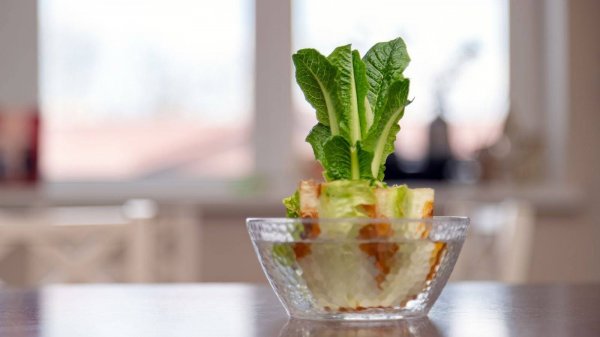
Leafy greens like cabbage, lettuce, and bok choy can also be revived. Trimmed leaves placed in less than an inch of water, kept in direct sunlight, will sprout roots within the first week. After that, they can be moved to soil.
Ginger, a root known for its culinary and medicinal uses, can be planted directly in soil. Any spare piece of fresh ginger root with buds facing upward will produce new shoots and roots in about seven days. Save part of the rhizome for replanting.
Fruits and Herbs from Kitchen Waste
Avocado seeds, often tossed after making guacamole, can be suspended over a jar using toothpicks, with the bottom inch submerged in water. In about six weeks, a sprout will appear. Once the stem reaches six inches, trim it to three inches and transplant when leaves develop.
Pineapple tops, lemongrass roots, and basil stems are other candidates. For basil, place a stem in a glass of water, keeping the water below the leaf line, and roots will grow within days. After roots reach a couple of inches, transplant to soil.
Garlic requires just a single clove. Plant it root-side down in soil, keep it in direct sunlight, and trim new shoots to encourage bulb formation. That bulb can later be used to start the cycle again.
For fruit trees, patience is key. Cherry pits need cold storage in potting soil for about 12 weeks before transplanting, and trees may take years to bear fruit. Similarly, apple seeds, peach pits, and hazelnuts can be dried and planted, though fruiting may take several seasons.
Practical Tips for Success
Most regrowing methods require minimal supplies: a bowl of water, potting soil, and sunlight. For example, turnip tops placed in water will show green growth within three to four days, and bean sprouts can be grown by soaking beans in a jar overnight, then rinsing them daily until sprouts appear.
Mushrooms, however, need a warm, humid environment with little direct sunlight, while chestnuts should be planted close together and require years to produce nuts. For those in colder climates, starting hazelnuts indoors and transplanting outdoors after the last frost is recommended.
This approach to gardening not only reduces waste but also offers a low-cost way to enjoy fresh produce year-round. By saving seeds, roots, and stems, households can turn everyday kitchen waste into a thriving home garden.