Gardeners often dream of lush, productive plots, but not every plant lives up to the hype. A team of experienced growers—including small-scale organic farmers and homesteaders—has identified 21 plants that may waste your time, space, or energy. From invasive vines to finicky vegetables, these species can turn gardening into a chore.
The list isn't meant to condemn these plants, but to help you make informed choices. Many are beautiful or nutritious, yet they come with hidden drawbacks: they may be too vigorous, too demanding, or simply not worth the effort when better alternatives exist.
Thorned Blackberries and Invasive Vines
Thorned blackberries, such as the Himalayan blackberry, are a painful addition to any garden. Their large spikes can puncture thick gloves and snag clothing, making pruning and harvesting a nightmare. They also spread aggressively, overrunning fences and structures. Thornless varieties like 'Triple Crown' or 'Arapaho' offer the same sweet fruit without the pain.
Butterfly bush (Buddleja) is another problematic plant. While its fragrant purple blossoms attract pollinators, it is highly invasive in many parts of the U.S., including the Pacific Northwest and East Coast. It displaces native plants and disrupts butterfly life cycles—Monarchs lay eggs on milkweed, not Buddleja leaves. Similarly, tropical milkweed (Asclepias curassavica) can harm Monarchs by disrupting their migration and spreading parasites. Native milkweed species are a safer choice.
Chinese wisteria (Wisteria sinensis) is equally troublesome. This fast-growing vine can smother trees and even pull down structures like porches and pergolas. It requires monthly pruning and is invasive in at least 19 states. Native alternatives like American wisteria (W. frutescens) are more manageable.
High-Maintenance Vegetables
Some vegetables are more trouble than they're worth, especially for home gardeners with limited space. Celery, for example, demands precise temperature and moisture conditions, takes 130 to 140 days to mature, and often yields little more than a watery stalk. Many small-scale farmers have stopped growing it altogether.
Rhubarb is another space hog, growing up to four feet wide and requiring a year to establish. It also suffers in heat, dying in temperatures above 80°F. Artichokes, while ornamental, need four to six feet of space and produce only a few edible florets per plant. For most gardeners, buying these at the store makes more sense.
Edamame can be disappointing in cooler climates, yielding just 10 to 20 pods per plant. Broccoli, though common, is often attacked by aphids and may fail to form heads. Sprouting broccoli or broccolini offers a longer harvest and less fuss.
Fruits and Oddities That Underwhelm
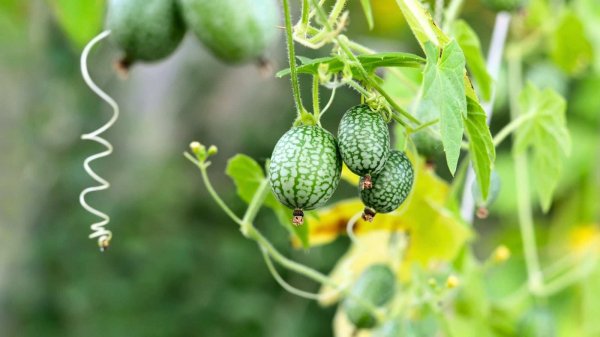
Some plants simply don't deliver on flavor. Kiwano, or horned melon, has prickly vines and fruit that many find unappealing. Lemon cucumbers are prolific but lack the taste of classic slicers like 'Marketmore.' Ground cherries have a divisive tangy-savory flavor and can self-seed aggressively. Cucamelons are sour, not sweet, and can grow 10 feet tall.
Giant pumpkins are a space and water nightmare, with each plant needing up to 1,000 square feet and daily irrigation. Pineapples require years of patience and produce only one small fruit per plant. Even basic zucchini, a garden staple, is less flavorful than varieties like Lebanese squash or patty pan.
Weeds and Invasive Self-Sowers
Purslane, though nutritious, can become a permanent weed—a single plant produces up to 240,000 seeds that remain viable for 40 years. Jerusalem artichokes, or sunchokes, are foolproof to grow but spread aggressively and cause digestive discomfort due to their inulin content. Napa cabbage is a magnet for earwigs, which hide in its crinkly leaves, ruining the harvest.
Malabar spinach, a heat-loving vine, may not perform well in cooler summers. And while purple tomatoes are eye-catching, many lack the flavor of classic varieties like 'Sun Gold' or 'Black Krim.'
The takeaway? Prioritize plants that are reliable, productive, and tasty. Skip anything that's painful, invasive, or simply not worth the effort. Your garden space is precious—use it wisely.