Gardeners who grow hellebores know the plant's dark green foliage can look tired by late autumn, but knowing when to cut it back depends on the variety. Pruning at the wrong time can remove flower buds, while leaving old leaves can invite disease. This guide explains the timing and technique for different hellebore types, helping you keep your plants healthy and blooming.
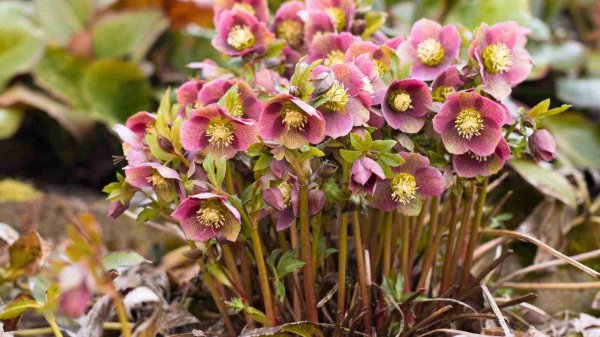
Hellebores are native to Europe and Asia, where they grow under tree canopies, their leaves catching filtered light year-round. As autumn ends, the older leaves yellow and wilt, while new bright green growth emerges. Leaving the old foliage to die naturally can look messy and may distract from the flowers. Cutting it off also helps prevent leaf spot and other diseases from spreading to new growth.
Know Your Hellebore Type
There are three main categories: evergreen, semi-evergreen, and deciduous. Evergreen types, like the Corsican hellebore, bloom on last year's stems, so pruning them in winter or early spring would remove the blossoms. Semi-evergreen and deciduous types lose their leaves after a year, and hybrids—the most common in garden centers—are the easiest to prune. Most retail plants are hybrids, which push new flowering buds from the soil in late winter. Watch your plant to see how it grows to determine its type.
For evergreen hellebores, wait until after they finish flowering in late spring or early summer to prune spent stems. Avoid cutting them in winter or early spring, as you may cut off the buds. Common evergreen species include the stinking hellebore (Helleborus foetidus), Corsican hellebore (Helleborus lividus subsp. corsicus), and Stern's hybrid (Helleborus x sternii). While pruning, be careful not to damage the small stems emerging from the ground—they are next year's flowering stems.
Pruning Technique and Protecting Buds
Use sharp pruners or snips and a bucket to collect old foliage. Locate last year's leaves, which often droop or lie flat on the ground, and snip them at the base as low as possible. New buds and leaves emerge from the center of the plant. For evergreen types, remove spent flower stems in spring or summer, cutting close to the ground.
Hellebore flower buds are fleshy and tender, so take care not to cut them. A simple trick is to place a container or basket over the emerging buds while you prune, then remove it afterward. This protects the buds from accidental damage.
Cut Flowers for Bouquets
Hellebore blooms make excellent cut flowers, though their nodding habit can be tricky. One method is to cut the flowers where they attach to the main stem and place them upside down in a water bowl—this lets you see inside the petals while they hydrate. For traditional bouquets, cut stems after the blossoms form seed pods, from early spring through summer. Place them in a vase with a solution of one quart of water and two tablespoons of 95% ethyl alcohol, and change the water weekly to keep the bouquet fresh.
Pruning hellebores at the right time not only improves appearance but also encourages bigger, bolder flowers next year. By identifying your plant type and following these steps, you can enjoy a healthy, vibrant display in your garden.