Armyworms, the voracious larvae of moths in the Noctuidae family, can strip fields and lawns in a matter of days, moving in large groups that give them their military-inspired name. These pests are not just a nuisance; they pose a significant threat to agricultural productivity and food security, particularly the fall armyworm, which has become a major concern in Africa and other regions.
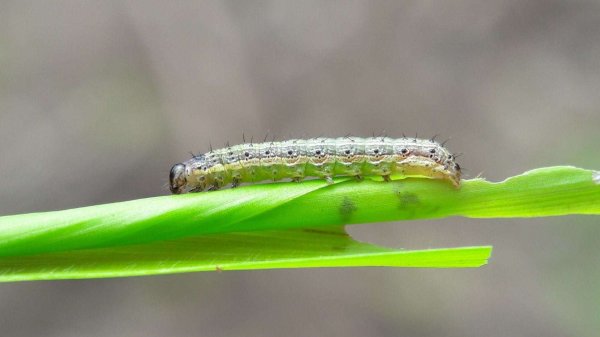
Understanding the enemy is the first step in effective management. Armyworms are the heavy-bodied larvae of nocturnal moths, which lay eggs on host plants. The larvae, which can grow up to two inches long, curl up when disturbed and feed in large numbers, distinguishing them from the solitary cutworm. A key identifying feature across species is the inverted Y mark on the head.
There are seven common species, each with its own preferences and geographic range. The common armyworm, for instance, is found across the Americas, southern Europe, central Africa, and western Asia, while the northern armyworm is prevalent in Asia, Australia, and Pacific islands. The southern armyworm is widespread in the Caribbean and southern United States. The fall armyworm, known scientifically as Spodoptera frugiperda, is notable for its two bright yellow stripes and its ability to feed on more than 80 plant varieties, making it a major threat to food security in Africa.
The life cycle of armyworms is rapid and prolific. A single female moth can lay between 30 and 80 eggs at a time, and over her lifetime, she may deposit 1,000 to 1,500 eggs. The larvae go through six to nine instars, feeding heavily before burrowing into the soil to pupate. The entire cycle takes 30 to 90 days, with moths living only 9 to 14 days. This rapid reproduction leads to multiple generations per year, especially in southern regions.
Feeding Habits and Damage
Armyworms are not picky eaters, but their preferences vary by species. The common armyworm feeds on grasses like wheat, barley, and corn, as well as a range of vegetables. The southern armyworm targets a wide array of crops, including avocado, citrus, and tomatoes, and also feeds on weeds like pigweed. The beet armyworm, originally from southeastern Asia, is a global pest that attacks beets, beans, and cotton. The lawn armyworm prefers rice but will also feed on cabbage, kale, and various lawn grasses. The African armyworm is particularly destructive to cereal crops, with a study showing that two larvae can consume an entire 10-day-old maize plant.
Control Strategies
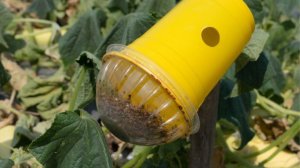
Managing armyworm infestations requires a multi-pronged approach. The first line of defense is physical removal: hand-picking larvae and dropping them into soapy water, or using a sweep net. Cultural control involves encouraging natural predators, such as birds (crows, starlings, bobolinks), frogs, toads, and beneficial insects like parasitic wasps, ladybugs, and ground beetles. Planting flowers like dill, yarrow, and marigold can attract these helpful insects.
Biological controls include sprays containing Bacillus thuringiensis (Bt) strains, which are effective against caterpillars. Beneficial nematodes can be applied to the soil to attack pupae. For chemical control, azadirachtin (neem oil) and spinosad sprays are recommended, but it's crucial to follow label instructions.
Prevention is often the best strategy. Keeping a garden diverse with beneficial plants, using floating row covers on crops, and applying diatomaceous earth can deter armyworms. Local cooperative extension offices can provide region-specific advice.
In summary, armyworms are a formidable pest, but with vigilance and a combination of control methods, their impact can be mitigated. Early detection and prompt action are key to protecting crops and lawns from these destructive caterpillars.