Gardeners facing pest outbreaks often reach for chemical sprays, but these products can do more harm than good. Many insecticides kill beneficial insects like honeybees and predatory bugs, leading to even larger pest populations. Integrated Pest Management (IPM) offers a balanced approach that reduces harmful pests while preserving the garden's ecosystem.
IPM is a comprehensive strategy that applies to weeds, diseases, and animal pests. It relies on research, monitoring, and prompt intervention rather than indiscriminate spraying. The goal is to manage pests effectively while minimizing environmental impact.
Defining Pests and Their Impact
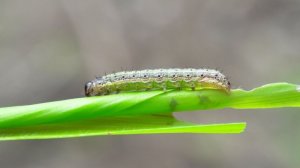
A pest is any organism that negatively affects crops, humans, animals, structures, or natural areas. This includes diseases, weeds, and animals. Aphids are common garden pests, while invasive Himalayan blackberry is a pest in U.S. forests. Pests are often non-native species that expand beyond their range, but sometimes native organisms cause issues when they spread to new areas.
Gardens provide ideal conditions for many pathogens and insects. Leaves and vegetables attract caterpillars, mites, and bugs, while moist, warm environments invite bacteria and fungi. However, not all bugs are pests. Ladybugs, pirate bugs, and mud daubers are beneficial critters that help control harmful insects. Identifying insects accurately is crucial, and tools like Google Lens or iNaturalist can assist.
Prevention, Monitoring, and Intervention
Prevention is the first step in IPM. Healthy gardening practices, such as adding compost to bare soil, improve plant vigor and resilience. Compost enriches the soil with nutrients, microbes, and worms. Other preventive measures include proper plant spacing, regular pruning, fall and spring cleanup, and fertilizing.
Monitoring involves regular garden walks to observe insect activity. Aphids, whiteflies, and cabbage loopers appear in warm weather, while slugs and snails thrive in moist, cool conditions. Noting when pests are active helps gardeners stay alert during high-stress periods. Watching for beneficial insects like predatory wasps, ladybugs, and birds is also important.
Intervention is the final step. It doesn't always mean spraying pesticides. Noninvasive, targeted approaches are ideal. For example, squishing aphids or spraying them off with water can solve the problem. Alternatively, gardeners can attract predatory wasps and ladybugs by planting flowering plants. Sometimes, tolerating some damage is acceptable, reducing the need for intervention.
Alternatives to Chemical Pesticides
Before resorting to pesticides, consider biological controls, traps, and mechanical methods. Biological controls use living organisms to target pests, such as predatory wasps or Bacillus thuringiensis (Bt). These can be generalists or specialists, but releasing them should be done carefully after monitoring the site.
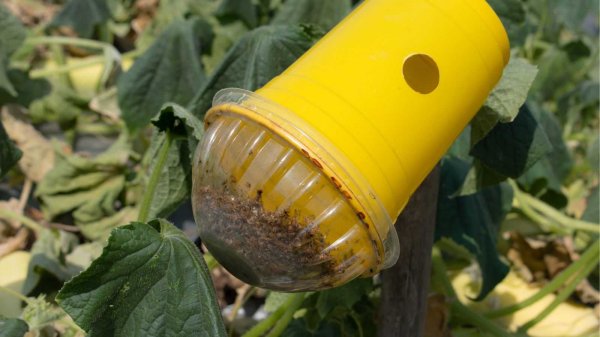
Traps are useful for monitoring and prevention. Yellow sticky traps control fungus gnats and fruit flies, while blue ones attract thrips. For slugs, a trap filled with beer or a bread slurry can be effective. Mechanical methods include squishing, shaking, spraying with a hose, and using cages or row covers to exclude pests.
If pesticides are necessary, best practices minimize harm. Spray in the morning or afternoon when pollinators are less active, and target only the affected area. Choose narrow-range pesticides over broad-spectrum ones, which kill a wider array of organisms. For bacterial issues, some fungicides can be effective, and altering garden conditions can make the environment less favorable for bacteria.
Knowledge is a key component of IPM. Understanding local pests, diseases, and weather patterns helps gardeners make informed decisions. University websites and books provide valuable information. By adopting IPM strategies, gardeners can manage pests effectively while protecting the beneficial insects that keep ecosystems balanced.