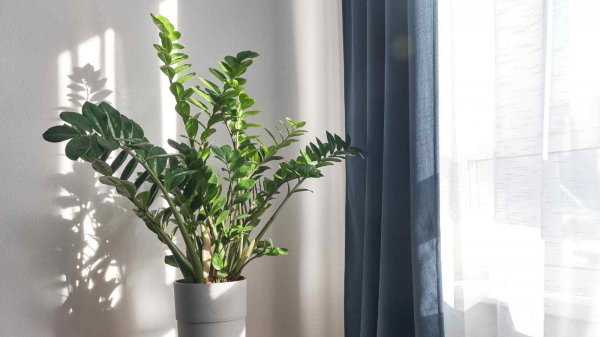
ZZ plants (Zamioculcas zamiifolia) are a popular choice for indoor gardeners due to their resilience and ability to thrive in low light and with irregular watering. However, even these hardy plants can fall victim to a range of pests. Understanding how to identify and address these common invaders is essential for maintaining a healthy plant.
This guide focuses on five pests frequently found on ZZ plants: aphids, spider mites, whiteflies, fungus gnats, and mealybugs. For each, we outline key identification features, preventive measures, and control options that are safe for indoor use.
Recognizing Aphids on Your ZZ Plant
Aphids are small, soft-bodied insects that feed on plant sap. They are typically about a quarter of an inch long, with oblong bodies and long antennae. While over 4,000 species exist, only some target ZZ plants; pear aphids are among the most common, appearing light green and blending with the foliage.
Feeding damage appears as stippling—tiny dots on leaves that can lead to discoloration if left untreated. Aphids reproduce quickly, so early detection is crucial.
Prevention: Since indoor ZZ plants usually acquire aphids from new additions, inspect any plant before bringing it inside. Pay special attention to tender new growth where aphids often hide.
Control: For a few aphids, physical removal is effective—crush them or wipe leaves with a soapy rag. For larger infestations, apply insecticidal soap or neem oil, ensuring thorough coverage.
Spider Mites: Tiny Web Spinners
Spider mites, though often mistaken for spiders, are a separate class of arachnids. They are less than a twentieth of an inch long, making them hard to see without magnification. Their presence is often indicated by fine, silky webs on the undersides of leaves.
These pests become more common during hot, dry periods, such as winter when indoor heating reduces humidity. They feed on leaf sap, causing yellowing if populations are high.
Prevention: Inspect new plants carefully, shaking leaves over a piece of paper to reveal mites. Keeping the ZZ plant adequately watered—while allowing slight drying—can also deter mites, as they prefer dry conditions.
Control: Confirm mites are still active before treating. Insecticidal soap or horticultural oils are effective when applied directly to the pests.
Whiteflies: Small White Pests in Flight
Whiteflies are not true flies but are related to aphids and mealybugs. Adults are about a tenth of an inch long with two powdery white wings. They tend to fly around the plant or rest on leaf undersides, where they also lay eggs.
Both adults and nymphs suck sap, leading to discolored leaves and potential defoliation over time.
Prevention: Quarantine new plants and inspect them for whiteflies before introducing them to your collection.
Control: For small numbers, wipe them off with a soapy rag. For outbreaks, spray with insecticidal soap or neem oil, ensuring the undersides of leaves are covered.
Fungus Gnats: Larvae in the Soil
Fungus gnats are small, dark insects that resemble tiny mosquitoes with long legs and antennae. While adults are harmless, their larvae feed on roots, potentially causing severe damage if unchecked.
Larvae are clear, worm-like, and about a quarter of an inch long, found in the top few inches of soil.
Prevention: Allow the soil to dry out between waterings, as gnats prefer moist organic matter. Also, avoid plants with algae on the soil surface, which indicates overly wet conditions.
Control: Use yellow sticky traps to catch adults. To target larvae, let the top two inches of soil dry, and consider applying beneficial nematodes or Bti (Bacillus thuringiensis israelensis) to the soil.
Mealybugs: Cottony Sap Feeders
Mealybugs are scale insects covered in a white, waxy coating that resembles sticky flour. They have flattened, oblong bodies with tail-like projections. When clustered, they look like masses of cotton.
As they feed, they excrete honeydew, a sugary substance that may appear on leaves.
Prevention: Inspect new plants thoroughly, as mealybugs often come in on infested specimens.
Control: Mealybugs can be stubborn. Spraying with insecticidal soap or neem oil, ensuring complete coverage, is the recommended approach. Repeat applications may be necessary.
By staying vigilant and acting promptly, you can keep your ZZ plant free from these common pests. Regular inspection and proper care are the best defenses.