Gardeners seeking a cool-season bloom with a distinctive clove-like fragrance need look no further than stock flowers, botanically known as Matthiola incana. These annuals, part of the Brassicaceae family—which also includes cabbage, broccoli, and kale—offer not only visual appeal but also edible flowers, leaves, and seedpods. Native to the Mediterranean region, from Spain to Greece and including islands like Sicily and Corsica, stocks thrive in temperate climates and are a favorite for their scent and pollinator appeal.
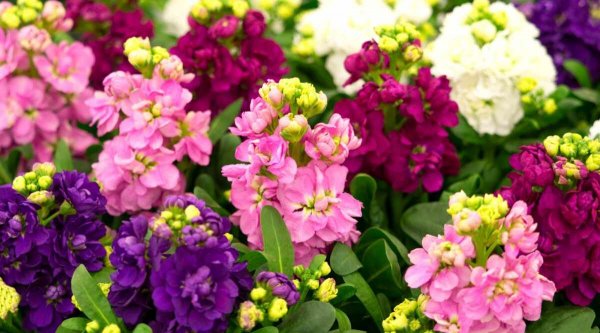
Stocks are versatile plants, growing from 10 to 32 inches tall, with dwarf varieties suitable for bedding and taller types prized by florists. Their blooms, which appear from late spring to mid-summer, come in shades of white, yellow, peach, pink, and purple, often with double or single petals. The flower spikes stand above narrow, oval leaves, creating a striking display that attracts bees and butterflies.
Planting and Sowing Techniques
To get started, gardeners can sow seeds indoors from January to March or direct sow outdoors once the soil is workable. For indoor sowing, use trays filled with a dampened seedling mix, scatter seeds on the surface, and press them down—they need light to germinate. Maintain a consistent temperature around 60-65°F (16-18°C), and expect germination within 10-14 days. Once seedlings reach three to four inches and have true leaves, begin hardening them off by gradually exposing them to outdoor conditions, starting with one hour daily, but avoid freezing temperatures.
Direct sowing is equally simple: prepare a fine, level seedbed, sow seeds evenly, press them down, and water with a fine spray. Thin seedlings to at least 10 inches apart once they are three to four inches tall. For transplants, mid-March is typical, but in cooler climates, use frost covers or hoops to protect young plants until temperatures stabilize above 32°F (0°C).
Care and Maintenance for Optimal Growth
Stocks prefer full sun but benefit from afternoon shade in hot summer regions, needing at least four hours of sunlight for good blooms. Keep the soil evenly moist, applying mulch to retain moisture and cool the roots. They thrive in rich, well-draining soil with a neutral to alkaline pH (6.5-7.5). Before planting, amend the soil with compost and a slow-release fertilizer, turning it to a depth of eight to ten inches. Feed monthly from May to August with an organic vegetable fertilizer, but avoid overfeeding to prevent root rot.
These plants are frost-hardy except in severe conditions, and they prefer temperatures below 65°F (18°C). In very hot summers, they may wilt, so provide some shade. Regular deadheading encourages more flower spikes; pinch out growing tips in spring for bushier plants. Cut spent flower spikes close to the base to promote continuous blooming.
Popular Varieties and Their Traits
Several cultivars stand out for gardeners. 'Katz' is known for its tall, uniform stems (10-32 inches) and heat tolerance, making it ideal for cut flowers. 'Cinderella' is a dwarf variety with double blooms on 8-10 inch stems, earning the Royal Horticultural Society's Award of Garden Merit. 'Vintage' offers compact growth (15-20 inches) with early blooms in white, pink, purple, and red. 'Legacy' reaches two feet tall and displays a range of colors.
Pests, Diseases, and Seed Saving
While generally resilient, stocks can face issues from aphids, spider mites, whiteflies, and flea beetles, especially when stressed by heat. For severe infestations, targeted pesticides are an option, but use them cautiously to protect pollinators. Overwatering and overcrowding invite fungal diseases like mildew, leaf spot, and root rot. Ensure proper spacing and water at ground level in the morning to allow foliage to dry.
To save seeds, allow a few flower stems to mature and form long, narrow seed capsules. When they turn brown, harvest them, dry on paper, and store in labeled envelopes. Note that saved seeds may not replicate the parent plant's color due to cross-pollination, offering a delightful surprise.
For cut flowers, stocks last seven to ten days in a vase with proper care: remove leaves below the waterline, recut stems, and change water every few days. They can also be dried by hanging upside down in a cool, dry place, retaining some scent.