As summer begins to wane, gardeners in regions with gradual autumn transitions have a strategic opportunity: planting perennials in August. The combination of warm soil and cooler air creates an ideal environment for root establishment, setting the stage for vigorous growth and abundant blooms the following spring. This period also offers fewer pest and disease pressures, as many insects have passed their peak reproductive cycles by mid-to-late summer.
Beyond the favorable growing conditions, August presents practical advantages. Nurseries often discount perennials as they prepare for the fall slowdown, making it a budget-friendly time to expand your garden. Additionally, many areas experience increased rainfall in early autumn, providing natural irrigation that complements the warm soil—a combination that mimics a 'second spring' in reverse.
However, success hinges on careful timing and maintenance. To ensure your perennials establish well before the first frost, aim to plant at least six to eight weeks before your average frost date. This window makes August suitable for gardeners in USDA zones 5 through 12, though those in colder northern zones may need to adjust their planting schedule.
Key Care Tips for August-Planted Perennials
Watering is critical during this establishment phase. The warm August soil can dry out quickly, so plan to water new plants every two to three days, or more frequently during heat waves. A layer of mulch helps retain moisture and moderates soil temperature, protecting roots from temperature fluctuations.
Fertilization requires a careful approach. Avoid high-nitrogen fertilizers, which promote leafy growth at the expense of root development—a vulnerable trade-off as cold weather approaches. Instead, opt for a light application of a phosphorus- and potassium-rich fertilizer to encourage strong root growth.
Perennial Picks for August Planting
Black-eyed Susans (Rudbeckia hirta) are a standout choice, thriving in full sun and well-drained soil. They establish quickly in warm soil and reward gardeners with late-summer blooms that support pollinators into the fall. Space plants 12 to 18 inches apart to accommodate their mature size.
Purple coneflowers (Echinacea purpurea) are another excellent option, known for their heat and drought tolerance. Planting them in August allows roots to develop before winter, leading to earlier blooms the following spring. Their seed heads also provide food for overwintering birds.
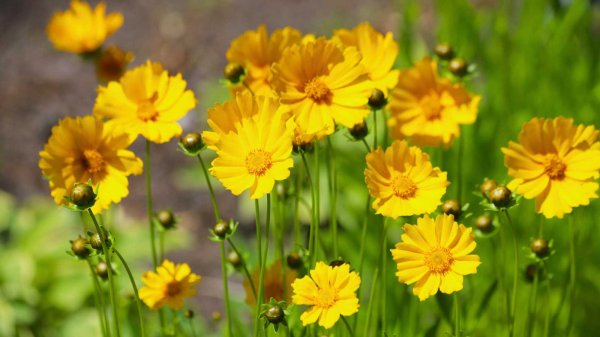
Coreopsis (Coreopsis spp.) offers bright, daisy-like flowers and a tough, drought-tolerant nature. Planting in August ensures strong root growth, and shearing after the first bloom encourages a second flush later in the season. These hardy perennials are also deer-resistant.
Hostas (Hosta spp.) are a foliage favorite for shaded areas. August's warm soil and cooler air help them establish strong roots, provided they receive consistent moisture and partial shade. Pair them with ferns for contrasting textures, but avoid mulching over the crown.
Salvia (Salvia spp.) is a heat-tolerant, pollinator-friendly perennial that blooms continuously through late summer and fall. Planting in August allows it to establish roots while the soil is warm, giving it a head start for the next season. Keep the soil moist during establishment.
Coral bells (Heuchera americana) are shade-loving perennials that settle quickly in warm soil. They benefit from partial shade and thrive in conditions similar to hostas, making them ideal companions. Extra care during hot spells is advisable in warmer climates.
Daylilies (Hemerocallis spp.) are tough, adaptable perennials that transplant easily. Planting them in August promotes root growth, and trimming back fall foliage encourages the plant to focus energy on root development. Choose non-invasive species for your region.
Stonecrop (Sedum spp.) is a low-maintenance, drought-tolerant option perfect for rock gardens or poor soil. It blooms through late summer and fall, providing nectar for pollinators preparing for winter. Cuttings root quickly in warm soil, making propagation easy.
Peonies (Paeonia spp.) are best suited for cooler climates in August. They prefer well-drained soil and may not bloom in their first year, but fall planting helps establish roots, increasing the likelihood of flowers the following season. Gardeners in zones above 6 should wait until September or October.
By selecting the right perennials and following these care guidelines, August planting can yield a vibrant, resilient garden that rewards you with a spectacular spring display.