For gardeners who rely on potted annuals to splash color across patios and balconies, keeping those plants thriving through the summer demands more than just regular watering. The key, according to horticultural experts, lies in a disciplined approach to fertilization—one that starts before a single seed is planted and continues on a set schedule until the season ends.
Annuals, though short-lived, are heavy feeders. Frequent watering, especially in hot climates, leaches essential nutrients from the soil, leaving plants starved just when they need energy most. But the solution isn't simply to pour on more fertilizer. Over-fertilizing can be as damaging as neglect, causing root burn, salt buildup, and increased susceptibility to pests and diseases.
Here’s a practical, step-by-step plan to keep your container annuals nourished and blooming, based on guidance from gardening specialists.
Start With the Soil
The foundation of healthy container plants is the growing medium. Before planting, refresh the soil in your pots. For small containers, replace the potting mix entirely each year. Many commercial mixes come pre-charged with a starter dose of fertilizer, but this supply is quickly exhausted. If your mix lacks nutrients, blend in well-rotted compost or worm castings before planting, or incorporate a slow-release granular fertilizer to provide an initial boost.
For larger planters and raised beds, emptying and refilling is impractical. Instead, top-dress the soil with a layer of compost or fresh garden soil. This replenishes organic matter and nutrients that have been depleted. Another option is to sow a cover crop during the off-season to rejuvenate the soil, or simply add a layer of mulch around your annuals to slowly enrich the bed over time.
Schedule and Track Applications
One of the most common mistakes is fertilizing on a whim. To avoid over-application, mark a calendar with your fertilization dates. A simple "F" on the day you feed your plants serves as a reminder and prevents accidental double-dosing. Consistency is more important than quantity; it's better to fertilize slightly less often than recommended than to overdo it.
Choose the Right Formula
Fertilizer selection depends on your goals. For flowering annuals, a bloom-boosting formula with a higher phosphorus content encourages more flowers. However, this is not ideal for herbs like basil, where blooming can alter the flavor. An all-purpose, balanced fertilizer—with equal parts nitrogen (N), phosphorus (P), and potassium (K)—works well for most container plants. These formulas often include micronutrients like zinc, iron, and manganese.
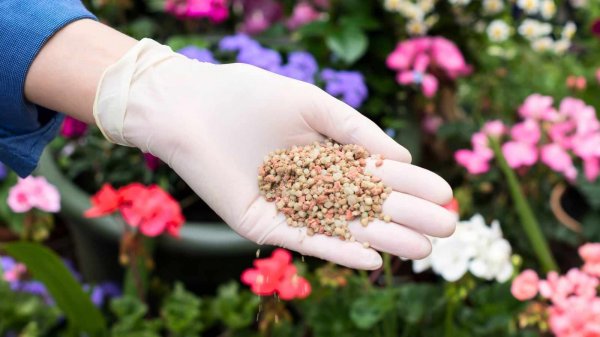
You'll also need to decide between soluble and slow-release types. Soluble fertilizers, mixed with water, provide an immediate nutrient boost and are ideal for larger plants that need frequent feeding. Slow-release granules break down gradually, reducing the risk of burn and providing a steady supply over several weeks. For most annual containers, a slow-release formula is a safe and effective choice.
Read and Follow the Label
Always read the instructions on your fertilizer package. This tells you the correct dilution rate and application frequency. If you prefer to fertilize more often than the label suggests, dilute the solution further. For example, if the label says to apply monthly at half strength, you can apply bi-weekly at a quarter strength. Being conservative is always safer.
Water Before You Feed
On the day you plan to fertilize, ensure the soil is moist. Water the plants thoroughly the day before, and again on the day of application if the soil feels dry. Moist roots absorb nutrients more efficiently and are less prone to burn. This is especially important in hot climates where daily watering is the norm.
Timing Matters
Fertilize in the morning, just as you would water. The cooler morning temperatures allow plants to absorb moisture and nutrients before the sun evaporates them. Evening fertilization is less ideal because the soil stays wet overnight, which can promote fungal diseases. However, if morning isn't possible, watering in the evening is acceptable in a pinch.
Repeat at Proper Intervals
Annuals generally need feeding every one to two weeks, depending on the product and the plant's growth rate. Because frequent watering washes away nutrients, regular replenishment is necessary. Always dilute according to the instructions, and adjust based on how your plants respond.
Dealing With Over-Fertilization
If you suspect you've over-fertilized—look for signs like dry, burned leaf edges or a white crusty buildup on the soil—act quickly. For mild cases, flush the container with plenty of water to wash out excess salts. In severe cases, repot the plant with fresh soil, rinsing the roots gently before replanting.
By following these steps, gardeners can enjoy a season of vibrant color from their container annuals, avoiding the pitfalls of both under- and over-feeding.