Valentine's Day often conjures images of cut flowers, but a growing number of gift-givers are turning to potted plants and trees that carry a more enduring symbol of love: heart-shaped foliage, blossoms, or fruit. Across the plant kingdom, heart forms appear in leaves, flowers, and even fruit, offering a range of options for both seasoned gardeners and those with a single sunny windowsill.
For those with outdoor space, trees and perennials provide a lasting presence. The redbud, native to North America, erupts in pink blossoms each spring before its heart-shaped leaves unfurl, creating a display that lasts well beyond the holiday. Similarly, the Katsura tree, with its delicate, heart-shaped leaves that turn vibrant shades of red and orange in autumn, offers year-round interest. For a fruiting option, peach trees produce fruit that, when sliced, reveals a heart-like core, while grape vines, with their large heart-shaped leaves, can be trained up trellises or allowed to ramble as ground cover.
Gardeners in cooler climates might consider the bleeding heart, a perennial that thrives in partial to full shade and produces distinctive heart-shaped flowers in pink, red, and white. Wild ginger, another shade lover, offers heart-shaped leaves and a subtle fragrance. For larger spaces, catalpa trees and littleleaf lindens provide ample shade with their generous heart-shaped foliage, though they require room to grow to their full height of 30 to 70 feet.
Indoor Options for Every Light Condition
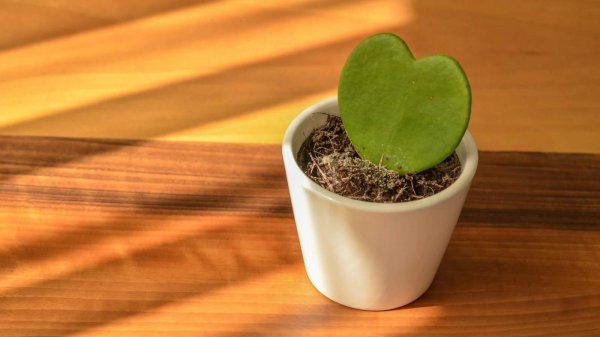
Not everyone has a garden, but most have a window. Houseplants with heart-shaped leaves are plentiful and often forgiving. The sweetheart plant, or Hoya kerrii, is a popular choice, its succulent leaves forming perfect hearts. However, it requires bright, indirect light and well-drained soil to thrive. The heartleaf philodendron and pothos are vining plants that tolerate lower light and are easy to propagate, making them ideal for beginners. The chain of hearts, with its delicate, trailing stems of small heart-shaped leaves, adds a whimsical touch and is also simple to care for.
For those seeking a flowering houseplant, anthuriums produce heart-shaped spathes in shades of red, pink, and white, and prefer warm, humid conditions. The heartleaf fern, with its delicate, heart-shaped fronds, is a more demanding choice, requiring consistent moisture and protection from drafts.
When selecting any plant, it's important to consider the recipient's environment. Outdoor plants should be matched to the appropriate USDA hardiness zone, while indoor plants need adequate light. For darker spaces, grow lights can supplement natural light, ensuring the gift thrives.
Ultimately, a heart-shaped plant is a gift that can grow and flourish, serving as a living reminder of affection long after the chocolates are gone.