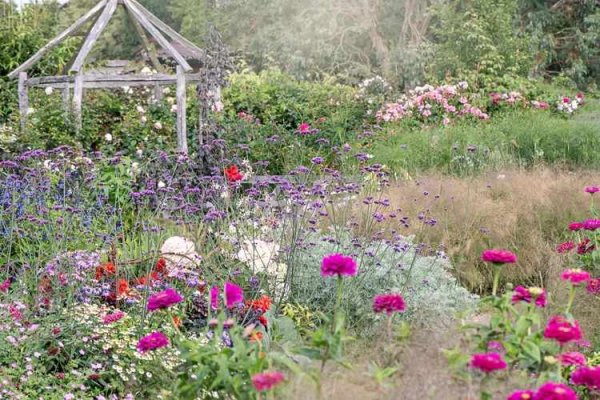
Cottage gardens have long been admired for their relaxed, abundant charm, blending flowers, herbs, vegetables, and trees in a seemingly effortless mix. Unlike formal English gardens, which are defined by crisp hedges and structured layouts, cottage gardens embrace a casual, sometimes wild aesthetic. For those looking to create such a space, a new roundup of 35 ideas offers practical and creative guidance, from maximizing small plots to incorporating water features and cozy seating.
The concept is rooted in functionality as much as beauty. Garden designer Tim Pilgrim, for instance, packs vegetables, herbs, roses, and other flowers into compact yet productive spaces, demonstrating that edible and ornamental plants can coexist harmoniously. This approach not only yields fresh produce but also creates a lush, layered landscape. Similarly, gardener Libby Webb has filled nearly every inch of her backyard with plants of varying heights, shapes, and colors, embodying the maximalist spirit of cottage gardening.
Structural Elements and Practical Touches
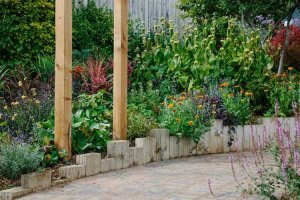
Beyond plant selection, the structure plays a key role in defining a cottage garden. Stone raised beds, favored by gardening blogger Sarah Stiller, add both visual appeal and a practical benefit: the sun warms the stones, creating a microclimate that helps plants thrive. Fences, whether around a vegetable patch or as a garden boundary, serve dual purposes—keeping out animals while adding personality. For those who enjoy outdoor dining, a private area with a table and chairs surrounded by greenery can transform meals into a garden experience.
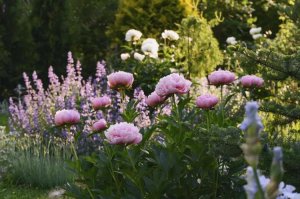
Pathways and hardscaping also contribute to the garden's character. A paver walkway winding through beds of lavender, roses, peonies, and foxgloves invites exploration, while a pea gravel path offers an inexpensive, low-maintenance alternative. Water features, such as a fountain or a bird bath, introduce movement and sound, attracting birds and adding vertical interest. Trellises and archways support climbing plants like peas and roses, making the most of vertical space and enhancing the garden's lushness.
Plant Choices and Seasonal Interest
Plant selection is central to achieving the cottage garden look. Tulips, many of which are perennials, provide cheerful spring color and return year after year if left undisturbed. Roses, a quintessential cottage flower, offer long-lasting blooms and thrive in various climates. Wisteria, with its cascading late-spring flowers, can be trained up a pergola or wall for a dramatic effect. Ornamental grasses add texture and movement, while early bloomers like crocuses signal the end of winter and the start of the growing season.
Pollinator-friendly plants, such as asters, coneflowers, milkweed, sunflowers, and zinnias, are also recommended to attract bees and butterflies. For those interested in cutting flowers, dedicating a few raised beds to blooms specifically for bouquets combines beauty with purpose. Seasonal decorating, from fall decor to winter arrangements, ensures the garden remains inviting year-round.
Repurposing and Personal Touches
Cottage gardens often feature repurposed items that add whimsy and individuality. An old wheelbarrow can become a charming planter for bright flowers, while a vintage step ladder offers a creative display for potted plants. Wood pallets can be transformed into a picnic table, and terracotta pots can be aged with a lime wash for a rustic look. Garden statues and sculptures provide personal touches, and rustic elements like wooden shelves and gates enhance the casual feel.
Comfort is not overlooked. A hammock strung between trees invites relaxation, while a bench with pillows beneath hanging wisteria offers a fragrant spot to read or converse. String lights and patio umbrellas extend the garden's usability into the evening, creating a warm ambiance. For those seeking privacy, fast-growing shrubs can help seclude the space from neighbors, maintaining the cozy, intimate atmosphere that defines a cottage garden.
Whether starting from scratch or refining an existing plot, these ideas demonstrate that a cottage garden can be both a visual delight and a functional outdoor living space. By mixing edibles with ornamentals, incorporating structural elements, and adding personal touches, gardeners can create a retreat that feels both magical and grounded in practicality.