When the goal is to quickly establish a living screen or add year-round structure to a yard, fast-growing evergreens offer a practical solution. Many species add 2 to 5 feet of height each year, with some reaching 20 to 30 feet within a decade. These trees not only provide privacy but also serve as windbreaks, wildlife habitat, and visual anchors in the landscape.
Evergreens are broadly categorized into needled types, which often produce cones, and broadleaf types, which may flower or bear berries. While many of the tallest species grow fastest, several compact varieties are suitable for smaller spaces or hedges. A plant is generally considered fast-growing if it gains 25 inches or more annually, according to horticultural standards.
Top Performers for Rapid Growth
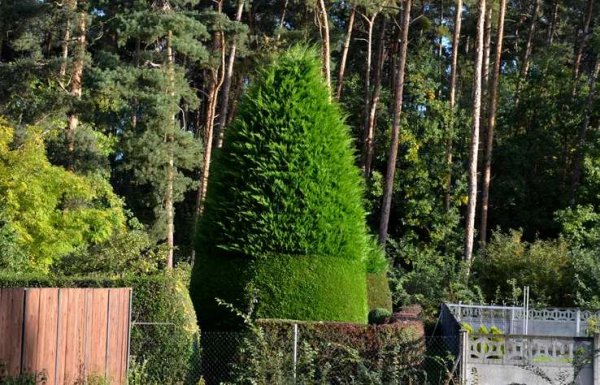
Among the most vigorous options, the Leyland cypress (Cuprocyparis leylandii) stands out, growing 3 to 4 feet per year and reaching 60 to 70 feet at maturity. Its pyramidal shape and gray-green foliage make it a versatile choice for screens or specimen plantings. Similarly, the Thuja Green Giant (Thuja standishii x plicata 'Green Giant') can add 3 to 5 feet annually, with mature heights of 40 to 60 feet and a narrow spread ideal for tight spaces.
For colder climates, the Norway spruce (Picea abies) grows about 3 feet per year, reaching 50 to 75 feet, and is hardy to Zone 2. Its drooping branches and large cones make it a classic choice. The Eastern white pine (Pinus strobus) adds over 2 feet annually, growing to 50 to 80 feet, but it requires pollution-free air and ample space due to its 40-foot spread.
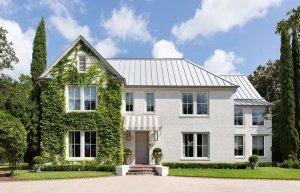
In warmer regions, the Monterey pine (Pinus radiata) can grow 3 to 6 feet per year, soaring to 45 to 190 feet, though it is rare and endangered in its native California and Mexico habitats. The Italian cypress (Cupressus sempervirens) offers a narrow, columnar form, growing up to 3 feet per year and reaching 50 feet, with pruning options to maintain lower heights.
Broadleaf and Hedge-Friendly Choices
For those seeking flowering or berrying evergreens, the Nellie Stevens holly (Ilex x 'Nellie R. Stevens') grows 3 feet per year, reaching 15 to 30 feet, and is salt-tolerant, making it suitable for coastal areas. Its red berries are toxic to humans and pets. The cherry laurel (Prunus laurocerasus) also grows 3 to 5 feet annually, forming a 10-foot hedge in four to five years, but is toxic if ingested.
The wax myrtle (Morella cerifera), also called Southern bayberry, grows 3 to 5 feet per year, reaching up to 40 feet, and produces fragrant foliage and pale blue fruits in winter, though male and female plants are needed for berry set. The common myrtle (Myrtus communis) is a smaller option, growing 2 feet or more annually, with white flowers and edible berries.
Specialty and Compact Varieties
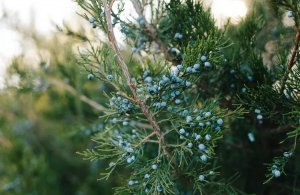
For narrow spaces, the American Pillar arborvitae (Thuja occidentalis 'American Pillar') grows over 2 feet per year, reaching 23 to 30 feet with a spread of only 3 to 5 feet, and its foliage turns bronze-purple in autumn. The Taylor juniper (Juniperus virginiana 'Taylor') is another columnar choice, growing 3 to 5 feet annually and standing 20 feet tall at 10 years, with blue-green foliage and berries.
The Rocky Mountain juniper 'Skyrocket' (Juniperus scopulorum 'Skyrocket') grows about 2 feet per year, reaching 30 to 40 feet, with silvery-blue to dark green foliage and waxy blue cones. The Carolina Sapphire cypress (Cupressus arizonica var. glabra 'Carolina Sapphire') is suited to hot, dry climates, growing 3 to 5 feet per year with soft, blue, lacy foliage.
For a towering focal point, the grand fir (Abies grandis) grows 4 feet per year, reaching 100 to 250 feet, though dwarf cultivars exist for smaller spaces. The western red cedar (Thuja plicata) grows 2 feet annually, reaching 50 to 70 feet, with fragrant foliage and upright cones.
When selecting a fast-growing evergreen, it is crucial to match the species to the local hardiness zone and available space. Some trees, like the Thuja Green Giant and American Pillar arborvitae, are toxic to livestock, while others, such as the Chinese holly 'Burford', are considered invasive in certain regions like Georgia. Consulting local extension services or nursery experts can help ensure a successful planting.