As warmer weather stirs the urge to upgrade outdoor spaces, renovation professionals caution that several popular gardening projects can quietly exceed budgets, turning a seasonal refresh into a financial drain. Three outdoor renovation experts—Dotan Trabulsi of Optimal Home Remodeling and Design in San Diego, Daniel McCurry of Father Nature Landscapes in Birmingham, Alabama, and Louis Vierra, general contractor at Vierra Fine Homes—shared which projects often disappoint and what they recommend instead.
Oversized water features, such as large fountains, ponds, and springs, top the list of costly undertakings. Vierra notes they are expensive to install, prone to leaks, and frequently become maintenance burdens. Trabulsi adds that these features attract algae, bugs, and debris, and pumps often fail. He suggests a small recirculating fountain for ambiance, or investing in better lighting to achieve a similar effect without the ongoing upkeep.
Why Luxury Outdoor Kitchens Often Miss the Mark
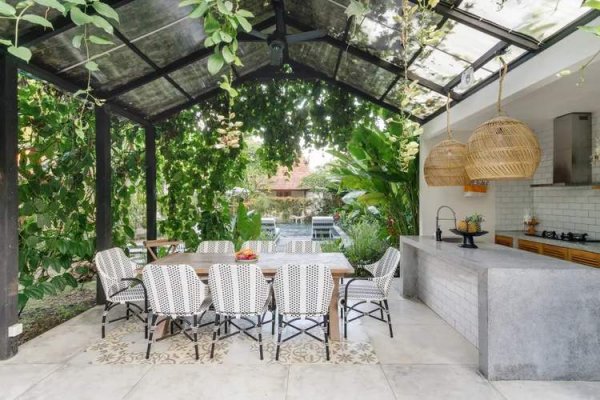
Luxury outdoor kitchens, while appealing, are rarely used enough to justify their price tag. Vierra points out that most homeowners use them only two to three times a year unless they host weekly parties. He recommends a pergola or small structure with good airflow and shade as a more versatile and cost-effective alternative. Both Vierra and Trabulsi highlight that weather and climate cause significant wear and tear, leading to expensive repairs. For those who still want an outdoor cooking space, Trabulsi advises skipping granite countertops, built-in ovens, and mini fridges, and instead using modular components, a quality grill, a prep table, and good shade.
Large areas of artificial turf are another project that often fails to deliver value. While it seems low-maintenance, Vierra explains that it traps heat, can smell in warm climates, and requires costly prep work for proper drainage. Additionally, it does not support pollinators or local wildlife, and it lacks the vibrancy of real plants. In cooler climates, native grasses and moss gardens are attractive alternatives, while hotter regions can benefit from cacti and xeriscaping.
Real Lawns in Hot Climates: A Costly Aesthetic
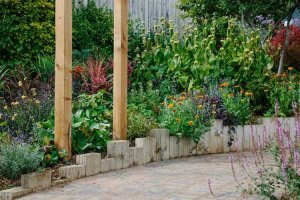
Maintaining a real lawn in hot climates is increasingly seen as an expensive luxury. Trabulsi notes that irrigation, mowing, fertilizing, and water bills add up quickly, especially during droughts, with homeowners using hundreds of gallons of water weekly for aesthetics. He and Vierra both recommend xeriscaped areas, low-water plants, and hardscape paths, which Vierra says look better with age, reduce water use, and lessen seasonal stress.
DIY projects involving serious infrastructure are another area where homeowners can overspend. McCurry advises bringing in an expert for the infrastructure of a garden space, leaving enjoyable tasks for the homeowner. Vierra specifies that anything touching grading and drainage, retaining walls over two feet tall, and irrigation systems should be handled by professionals, as mistakes can cost far more than the initial project. He suggests homeowners can safely tackle container gardening, painting fences, light planting, and mulch work.
Choosing Projects That Bring Lasting Value
Beyond specific projects, the experts emphasize considering whether a project will bring lasting joy or just a temporary spark. McCurry advises against building something you aren't excited about and can't envision your family using regularly. He also notes that a hopeful vision can create a space that brings children home and encourages togetherness, but this definition varies for every homeowner. Ultimately, it's about what's worth your time, energy, and money.
For homeowners planning outdoor upgrades, these insights suggest that focusing on practical, lasting projects—rather than high-cost installations—can lead to greater satisfaction and better use of budget.