With summer heat intensifying, many homeowners are looking for ways to make their outdoor spaces more comfortable. A Bay Area designer offers a range of solutions, from simple adjustments to larger investments, to help beat the heat and enjoy your backyard all season long.
Kendall Chapman, a designer at HDR Remodeling in the Bay Area, emphasizes that strategic planning can significantly reduce outdoor temperatures. Her advice covers everything from planting trees to installing water features, providing options for various budgets and preferences.
Shade Structures and Strategic Planting
One of the most effective ways to block the sun is through physical structures like pergolas, gazebos, or retractable awnings. Chapman notes that these "block direct sunlight, reducing heat buildup on surfaces and providing cooler areas underneath." For those with larger budgets, custom pergolas can be equipped with fans, lighting, and retractable canopies for added comfort.
Incorporating taller trees, vine walls, or shrubs on the west side of your yard can also help. Chapman explains that this "blocks the harshest afternoon sun" and creates a microclimate, a cooler pocket of space even on hot days. Evergreen shrubs offer year-round shade and beauty.
Water Features and Living Walls
Water features are another effective cooling method. Fountains, sprinklers, and misting systems can lower surrounding air temperatures through evaporation. Chapman suggests that combining a misting system with a fan creates a DIY evaporative cooler, which is particularly effective in dry climates. For those seeking a larger impact, pools and splash pads are also options.
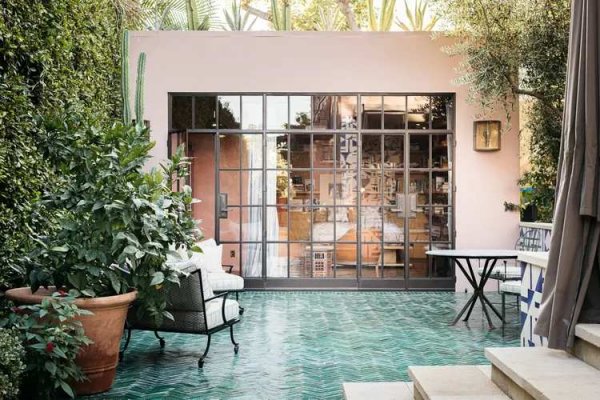
Living walls, or vertical gardens, serve a dual purpose. They act as insulators, cooling the wall behind them and helping to lower patio temperatures. Whether DIY or professionally installed, these green walls add both aesthetic appeal and functional cooling.
Material Choices and Outdoor Amenities
The choice of furniture and ground materials plays a crucial role. Darker materials absorb more heat, so opting for light-colored or natural-toned furniture can make a noticeable difference. Chapman also recommends pallet seating as a cooler alternative to metal. For paths and ground coverings, materials like crushed limestone or decomposed granite stay cooler underfoot than black lava rock or basalt.
Outdoor fans, whether installed permanently or portable, promote air movement and enhance evaporative cooling on the skin. For those with larger budgets, outdoor kitchens and dining areas with shaded coverings allow for comfortable meals outside. Quick fixes like patio umbrellas and sun-resistant sails also provide relief.
Finally, bamboo screens or fencing offer an eco-friendly and stylish way to diffuse sunlight and create natural cooling barriers. Chapman notes that they are budget-friendly and can be installed in an afternoon, making them an accessible option for many homeowners.