For gardeners facing a dim corner or a tree-lined border, the assumption that tall plants demand full sun can limit design possibilities. However, a range of shrubs, trees, and ferns thrive in low-light conditions, offering vertical structure and visual interest without the need for constant sunlight. From evergreen yews to flowering rhododendrons, these 14 species can transform a shady patch into a layered, dynamic landscape.
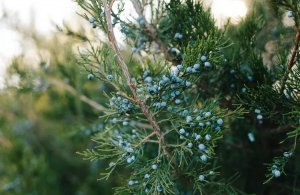
Among the most reliable options are yew shrubs (Taxus), which keep their needles year-round, providing consistent volume and height. For a compact variety, Taxus baccata 'Repandens' works well, while Taxus × media 'Hicksii' can reach up to 15 feet, according to the original report. These plants prefer full to partial shade and well-draining, loamy soil, making them adaptable to many garden settings.
Flowering Shrubs for Color and Structure
Rhododendrons are a standout choice for adding bold color to shaded areas. With blooms ranging from red to yellow to purple, these bushes can flower from spring into fall, depending on the variety. They grow between 4 and 60 feet tall, though most garden cultivars stay on the smaller end, and they thrive in partial shade with moist, acidic soil.
Mountain laurel (Kalmia latifolia) is another shade-tolerant shrub that handles deep shade, though it performs best in partial light. It reaches 5 to 15 feet in height and prefers acidic, well-drained soil. Gardeners should avoid clay-based or soggy ground, as the original guide notes.
Camellias offer the dual benefit of flowers and shrub structure, growing up to 12 feet tall. They require consistently moist, acidic soil and partial shade, making them a low-maintenance yet showy addition to zones 7 through 9.
Trees and Ferns That Add Vertical Accents
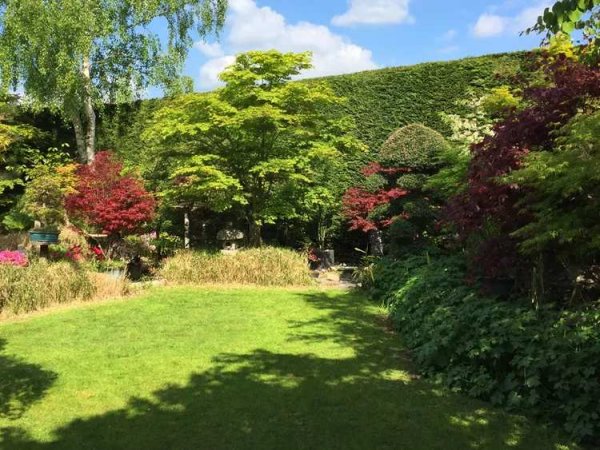
For those seeking height, Canadian hemlock (Tsuga canadensis) is a shade-tolerant evergreen that can reach up to 70 feet, though it grows slowly—about 1 to 2 feet per year. Its drooping branches and needle drop-free habit make it a tidy choice for larger properties. Japanese maple (Acer palmatum) offers a more ornamental option, with dwarf and weeping varieties that stay under 25 feet, adding bold foliage and unique silhouettes to shaded beds.
Fiddlehead ferns, also known as ostrich ferns, thrive in moist, dark conditions, making them ideal for wet, shady spots. They grow 3 to 4 feet tall and are deer-resistant, as noted in the original article. Their curled fronds and bright green color provide texture without requiring much maintenance.
Perennials and Ground-Level Height
Bleeding hearts (Dicentra) reach up to 3 feet and produce ornamental flowers that resemble tiny pendants. They prefer full to partial shade and moist, well-draining soil, though gardeners should watch for aphids, which can damage the blooms. Leopard plants (Ligularia) are perennials that return yearly, with yellow flowers appearing in summer; they grow 1 to 3 feet tall and need rich, consistently moist soil.
Foxgloves (Digitalis) are another option, particularly for hotter climates where they prefer shade. Varieties like Digitalis × mertonensis and Digitalis parviflora handle shade well, growing 2 to 5 feet tall in acidic, loamy soil.
Evergreen and Structural Choices
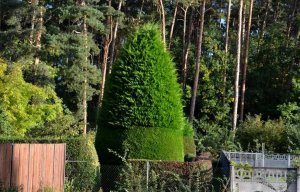
Boxwoods (Buxus) are prized for their topiary potential and tolerate dappled shade better than full sun. They grow 2 to 8 feet tall and can be pruned into shapes until late fall. Bamboo, specifically shade-tolerant types like black pearl, sasa, and arrow, can reach 18 feet, offering privacy and a strong statement, though gardeners should check variety-specific hardiness zones (5–10).
Hydrangeas are versatile, with many varieties thriving in partial shade, especially in hot regions where afternoon sun can stress them. Their flower color can shift with soil pH, yielding blue, white, pink, red, or purple blooms. Coast leucothoe (Leucothoe axillaris) provides reddish-green foliage and cupped flowers, but it is highly poisonous and should not be consumed, a fact highlighted by the North Carolina Extension Gardener Plant Toolbox.
For gardeners ready to tackle a shady area, these 14 plants offer a range of heights, textures, and seasonal interest. Always check specific cultivar needs for light, soil, and zone to ensure success.