For many homeowners, the front yard is the most visible part of their property, often serving as the first impression for visitors and passersby. While some may prioritize the backyard for personal enjoyment, the front yard's appearance can significantly impact a home's overall appeal. Fortunately, achieving an attractive front yard doesn't have to demand excessive time, money, or effort. A range of plant choices and design strategies can create a welcoming entrance with minimal upkeep.
Landscaping experts and gardening enthusiasts have long favored certain plants and features for their low-maintenance qualities. From shade-tolerant perennials to hardy shrubs, these options can thrive with little intervention, making them ideal for busy homeowners or those new to gardening. The following ideas, drawn from a variety of garden styles and conditions, offer practical ways to enhance a front yard without turning it into a full-time project.
Choosing Plants That Work With Your Conditions
One of the most effective ways to reduce maintenance is to select plants that naturally suit your yard's specific conditions. For instance, Japanese maple trees are a popular choice because they stay relatively small—typically under 25 feet—and display vibrant autumn colors. They can even be planted under taller trees since they don't require full sun. Similarly, for shaded areas, caladiums provide season-long color without the need for deadheading, while heucheras (coral bells) offer colorful foliage and delicate flowers in partial shade.
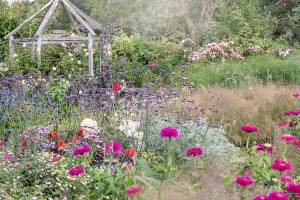
For sunny spots, consider creeping phlox or sedum to soften retaining walls, or climbing roses like 'New Dawn' or 'Zepherine Drouhin' to adorn fences and arbors. These plants not only add visual interest but also tend to be resilient and low-care once established.
Structural Elements and Ground Covers
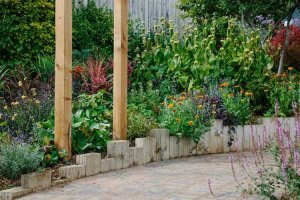
Incorporating structural elements can also reduce upkeep. A simple bench under a shady tree provides a quiet retreat, while a rock garden or a flagstone path can be a manageable DIY project. For those with damp areas, a rain garden is a practical and eco-friendly option. Ground covers, such as clover, are excellent for filling bare lawn spots, as they replenish soil nitrogen and attract pollinators, requiring little maintenance once established.
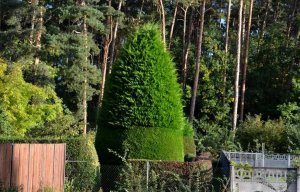
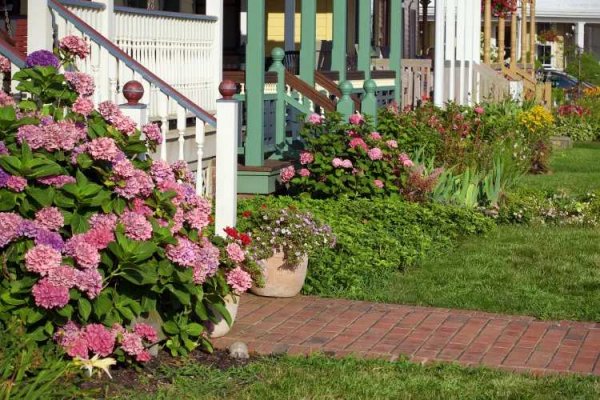
Evergreen shrubs like boxwoods offer year-round greenery and come in many sizes, some needing no trimming at all. Large hydrangeas, particularly panicle and oakleaf varieties, can reach up to ten feet tall and wide, providing months of color with minimal care. Giant hostas are another low-effort perennial, needing only occasional division every few years.
Seasonal Displays and Focal Points
Creating seasonal displays with a horticultural theme can be a simple way to mark the changing seasons and add visual interest. Window boxes filled with annuals or herbs, or a mix of ornamental kale and ivy, offer a smaller focal point near the entrance. For a more permanent focal point, consider a small flowering tree like a magnolia, weeping cherry, or Eastern redbud, which provide spring blossoms and often attract pollinators.
Even a fruit tree can serve as a striking centerpiece, offering blossoms in spring and fruit in summer or autumn, while supporting local wildlife. Combining decorative shrubs with ground covers, such as a variegated dogwood with cranesbill geraniums, can create a full, colorful bed with just two plant types.
Ultimately, low-maintenance front yard landscaping is about making smart choices that align with your environment and lifestyle. By selecting the right plants and features, homeowners can enjoy a beautiful, welcoming front yard without the constant upkeep.