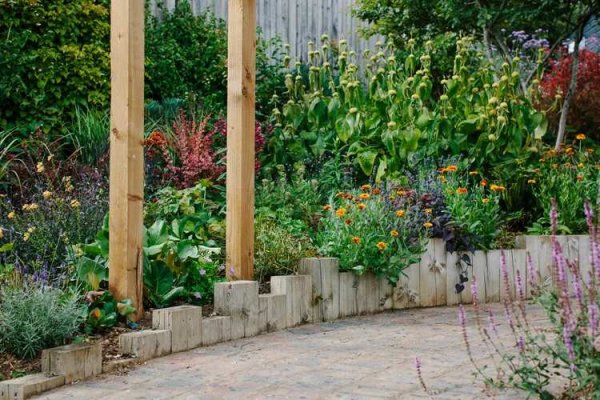
Garden edging is often the unsung hero of a well-designed landscape. It does more than just tidy up the borders between lawn, paths, and planting areas—it plays a functional role in soil retention and defines the overall structure of your outdoor space. Whether you're refreshing a front yard or reimagining a backyard, the choice of edging material can set the tone for the entire garden.
According to master gardener Summer Thompson, designer and operations manager at Love, Plants, edging is both practical and aesthetic. “It serves practical purposes like soil retention and defining pathways, but it is also an aesthetic choice in how you want your garden to look,” she explains. With that in mind, here are 24 approaches recommended by landscape professionals and horticulturists, ranging from budget-friendly to more permanent installations.
Materials That Blend and Define
For a seamless look that works with curved or angular beds, Joe Raboine, vice president of design at Oldcastle APG, recommends edge restraints. These are held in place with galvanized spikes and can be covered with mulch or sod, creating a clean, unobtrusive border. For a more defined and polished appearance, Raboine suggests edging stones, which not only add sophistication but also keep soil, mulch, and lawn in check.
Natural stone is another favorite, especially if you can source it locally. Thompson notes that it requires little maintenance and feels organic in the garden. Similarly, chopped stone edges, preferred by landscape architect Cate Singleton of Bower & Branch, work well on slopes because multiple courses can keep beds level.
For a rustic yet durable option, cedar timber edging offers natural resistance to decay and insects, making it a long-lasting choice for straight runs. Mary Jane Duford, founder of the gardening website Home for the Harvest, highlights cedar’s low-maintenance appeal. If you're working with a tight budget, gravel is an affordable and easy-to-install option that also helps with moisture retention and weed prevention, according to Autumn Hilliard-Knapp, horticulturist at My Perfect Plants Nursery.
Creative and Functional Edges
Edging doesn’t have to be limited to traditional materials. For a touch of elegance, consider adding a water feature or a fire feature atop paving stones. These elements add height and visual interest while serving as a focal point. If you have a steep incline, vertical stone “fencing” can create tiered beds that are both functional and attractive. Gabion walls, filled with large salvaged rocks, are another option for edging that doubles as a retaining wall.
For a more organic approach, cut soil edging—a shallow V-shaped ditch—creates a sharp, clean line between lawn and beds. Duford notes that while it requires precise installation and regular upkeep, it’s a cost-effective solution. Alternatively, planting tall or long grasses can discourage foot traffic and create a uniform, low-maintenance border.
Recycled materials are also a smart choice. Jenny Williams, founder of The Laundry Garden, uses brick or slate because it matches her property’s existing features. “It just looks right, and we know that slate was used for edging here in the past so it is historically accurate,” she says. For a modern twist, custom concrete edging provides a permanent, crisp boundary and can even function as a mini retaining wall, though it may require professional installation.
Lighting and Mixed Materials
Edging can also be enhanced with lighting. Raboine suggests installing recessed LED lights to add a colored glow, creating a stylish effect that also improves safety. Mixing materials—such as concrete, wood, and stone—can delineate different zones in your backyard, making the space feel intentional and designed for enjoyment. Paving stones can be cut into unique shapes, and extending front steps and patio stones to match your home’s design can edge your front lawn in a sleek, modern way.
For those who prefer a softer, more natural look, mulch is the most cost-effective and environmentally friendly option, improving soil as it breaks down. Thompson also enjoys sprinkling seeds of annuals like marigolds and herbs around edges, embracing a bit of “chaos gardening” that supports pollinators. Elevated flower beds can serve as edging themselves, whether for vegetables or flowers, filling small spaces or lining pathways.
Ultimately, the best edging choice depends on your aesthetic, budget, and maintenance preferences. As Thompson notes, the goal is to reflect your personal style while effectively defining your beds and aiding in soil retention.