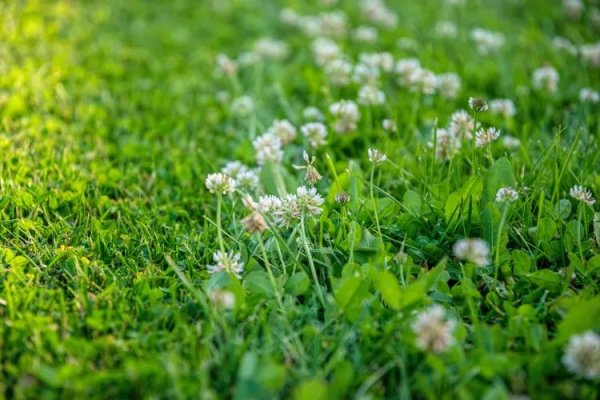
If you're considering replacing your turf with a clover lawn, the timing of when to sow those seeds hinges on where you live and the current state of your yard. According to Christa Carignan, a Maryland certified professional horticulturist and coordinator of digital horticulture education at the University of Maryland Extension's home & garden information center, the first step is to consult a USDA hardiness zone map. This helps you determine your area's average first and last frost dates, which are critical for successful germination.
In regions with mild winters, clover seeds can be sown in early fall or late winter. But in colder, snowy climates, it's best to wait until spring when temperatures consistently stay above 60°F. This timing ensures that the seeds don't get hit by frost, which can kill young sprouts.
Before you sow, assess your lawn. A healthy, weed-free lawn is ideal for overseeding with clover. If your lawn is compacted, has bare spots, or is overrun with weeds, you'll need to renovate it by removing the existing vegetation and starting fresh. For overseeding, de-thatch the lawn to expose the soil, then lightly sprinkle clover seeds and cover with a thin layer of topsoil or sand. Keep the ground moist until sprouts appear in about two weeks. For best results, sow the seeds the day after a heavy rain, as the soil will be moist and ready for germination.
Why Clover Lawns Are Worth the Effort
Clover offers more than just a green carpet. As it decomposes, it releases nitrogen, a natural fertilizer that supports turfgrass growth. Its spring flowers provide nectar and pollen for bees and other pollinators. Carignan specifically recommends microclover varieties like Trifolium repens var. 'Pirouette' and 'Pipolina' for lawn use. These have smaller leaves, fewer flowers, and a lower growth habit than Dutch white clover, making them less aggressive and easier to manage.
Microclover also reduces the need for nitrogen fertilizer applications, which in turn lessens fertilizer runoff into groundwater and streams, Carignan notes. This environmental benefit makes clover an attractive option for eco-conscious homeowners.
Companion Plants That Thrive With Clover
When mixing plants with clover, choose perennials that tolerate foot traffic and regular mowing. Cool-season grasses like tall fescue and Kentucky bluegrass pair well with clover, but warm-season grasses such as centipede, Bermuda, zoysia, and St. Augustine are not suitable because clover doesn't thrive in high heat.
Other compatible companions include creeping thyme (Thymus praecox), which releases a pleasant fragrance when walked on and attracts pollinators with its pink flowers. Self heal (Prunella vulgaris subsp. lanceolata) adapts to most soils and offers purple blooms that draw native bees and butterflies. Common violets (Viola odorata) provide early spring color and serve as a host plant for fritillary butterfly larvae, though they can be aggressive. Dandelions (Taraxacum officinale) also work well, offering early pollen, but you'll need to mow or hand-pick them before they go to seed to prevent spread.
By planning ahead and choosing the right plants, you can create a clover lawn that's both beautiful and beneficial to the local ecosystem.