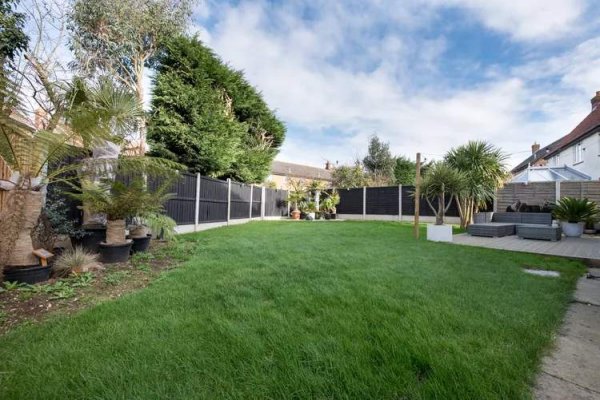
For homeowners moving into a newly constructed house, the backyard often presents a wide-open space with no established features. While that blank canvas offers potential, deciding where to begin can be overwhelming. Lawn care and design professionals suggest a structured approach: divide the yard into purposeful zones, plan for privacy, incorporate edible plants, and consider raised beds to address common issues like excessive shade from tall fences.
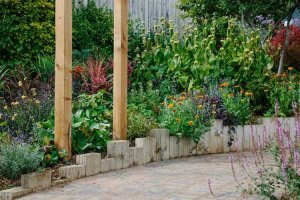
Ryan Farley, co-founder of LawnStarter, a service that connects homeowners with local lawn care providers, notes that the most successful projects he has observed in these smaller, relatively plain spaces take advantage of distinct zones. He recommends using different materials to define each area—pavers or concrete for an entertainment zone, and stones or mulch to separate a pet-friendly grass patch from a garden bed. This method, he says, transforms an open yard into a more developed and usable space.
Lauren Syrowik, a home expert focusing on approachable and refined interiors and gardens, adds that zoning also allows homeowners to phase their work. Since landscaping can be costly, starting with hardscape, creating planting beds, and installing large trees first, then filling in with smaller shrubs and plants later, makes the project more manageable financially and logistically.
Privacy and Plant Selection
Privacy is often the biggest concern in new-build yards, according to Syrowik, because many of these homes do not come with fencing. She suggests planting a border of evergreens around the property line to provide year-round greenery and seclusion from neighbors. A mix of evergreen varieties gives a natural feel, while using a single type creates a more structured look. Syrowik also advises homeowners to research the mature size of any privacy plants, since they will grow over time and should be spaced accordingly.
Growing Food and Overcoming Shade
Incorporating fruits and vegetables can turn a plain backyard into a functional oasis. Jeremy Yamaguchi, CEO of Lawn Love, a tech-driven lawn care company, recommends exploring options like fruit trees, ground-level garden beds, raised beds, or container gardening—or a combination of these. He emphasizes the importance of researching which crops thrive in your local climate before making a planting plan.
Raised beds are a particularly strategic choice, especially for yards with tall fencing that can shade low-growing plants for much of the day. Farley points out that raising the soil level helps plants reach more sunlight, counteracting the shadow cast by tall enclosures. This simple adjustment can make a significant difference in plant health and yield.
By following these expert-backed steps, new homeowners can systematically turn an empty lot into a personalized outdoor living area that balances aesthetics, function, and long-term value.