Homeowners looking to refresh their property's exterior can draw from a broad set of landscaping techniques that go beyond simple flower beds. From perennial plantings to solar-powered lighting, these 24 strategies offer practical ways to enhance curb appeal and create a welcoming entrance.
The front lawn and garden serve as the first impression for visitors and passersby. A well-planned landscape can make an entryway more inviting, but the approach doesn't have to be limited to traditional flower beds. Window boxes, planters, and even road verges offer opportunities for creative expression and functional improvement.
Choosing Plants for Year-Round Interest
One of the most effective ways to maintain visual appeal is to select plants that provide interest across seasons. While annuals like pansies and impatiens offer immediate color, they require yearly replacement, which can become costly and labor-intensive. Perennials such as coneflowers, black-eyed Susan, and yarrow return each spring with minimal effort, making them a cost-effective choice for beds and containers.
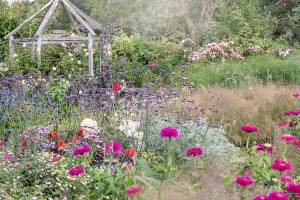
Incorporating pollinator-friendly plants adds ecological value. Foxgloves, pineapple sage, and bee balm are not only colorful but also attract bees and hummingbirds. Homeowners should check which pollinator plants are native to their region to ensure success. For autumn interest, consider plants with color-changing foliage like viburnums, blueberries, and dogwood. Winter interest can come from ninebark, paper birch, and winterberry, which offer intriguing bark and berries.
Structural Elements and Edging
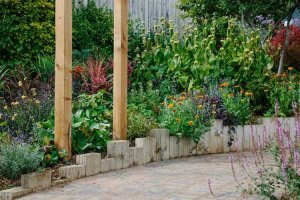
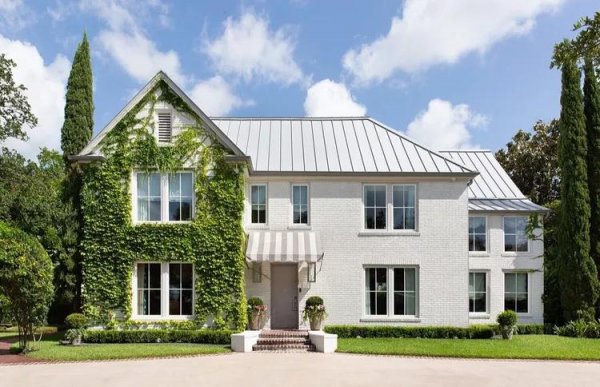
Defining garden beds with edging serves both aesthetic and protective purposes. Materials such as plastic, rocks, or woven branches (wattle edging) can keep weeds at bay and prevent damage from lawnmowers and weedwhackers. Similarly, adding an arbor can frame walkways and add vertical interest. Pre-made arbors are available at garden centers, but a DIY version using a cattle panel arch anchored with t-posts is also feasible. Vining plants like sweet peas, morning glories, and climbing hydrangea can be trained to grow up trellises, filling blank wall spaces.
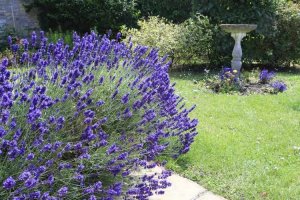
Hardscaping elements extend beyond walkways and driveways. A well-placed bird bath or decorative stones can bring a minimalist design together and serve as a conversation piece. Large rocks can anchor a landscape, while pavers in garden beds add texture.
Maintenance and Sustainability
Regular maintenance is key to a polished look. Applying a 1- to 3-inch layer of mulch annually keeps beds tidy, suppresses weeds, and insulates soil. Wood, bark, pine needles, and chopped leaves are all viable options. For weed control, mulching is effective, but a pressure washer or horticultural vinegar spray can address walkways. Hand-pulling with tools like the hori-hori remains a simple, herbicide-free method.
Composting offers a budget-friendly way to fertilize. Applying homemade compost once a year in spring or fall can improve plant growth and flower production. Sifted compost can also be spread on lawns to green patchy areas.
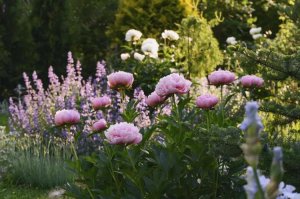
Solar-powered lights along walkways and driveway edges improve nighttime navigation and highlight specimen plants. These lights require no electricity, making them an energy-efficient choice. Additionally, planting fragrant species like mock orange, lilacs, and heliotropes near entrances can engage the sense of smell, enhancing the arrival experience.
Edible plants can double as ornamentals. Herbs such as tricolor sage, red shiso, and flowering chives are colorful and attractive in window boxes and planters. Groundcovers like lily of the valley, foamflower, and wild ginger thrive in shade, while creeping thyme, creeping juniper, and sedums suit sunny spots, naturally suppressing weeds.
Pruning is another consideration, though not all plants require it. Some benefit from being cut back, but timing varies by species. Many pollinators overwinter in old plant debris, so it's often best to prune perennials in spring after flowering.
Finally, don't overlook road verges and mailbox areas. If homeowners own these strips, sturdy ornamentals like creeping thyme and creeping phlox can handle foot traffic. A small mailbox garden, edged with stones or bricks, can tie the landscape together and simplify mowing.
These 24 ideas provide a comprehensive toolkit for enhancing a home's exterior, balancing aesthetics with practicality and sustainability.