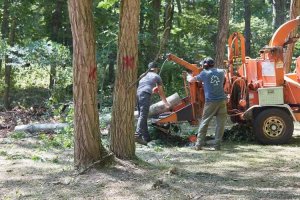
Homeowners planning to trim trees this season can expect to pay anywhere from $75 to $2,000 per tree, with the national average hovering around $460, according to industry data from Angi. The final price tag depends on a mix of factors, including tree height, species, health, and how difficult it is to reach the branches. Labor rates, which typically range from $35 to $70 per hour per worker, also play a role in the overall estimate.
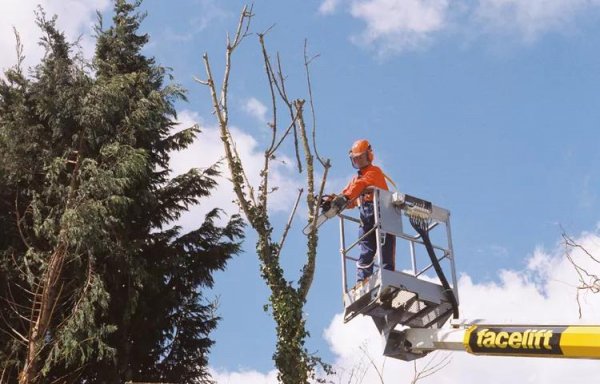
Tree size is one of the biggest cost drivers. Small trees, those 25 feet or shorter, generally cost between $80 and $350 to trim, with an average of $215. Medium trees, measuring 25 to 50 feet, run from $150 to $800, averaging $315. For large trees exceeding 50 feet, prices climb to $300–$1,800, often requiring specialized equipment like cranes or harnessed climbers.
Why Tree Type and Health Matter
The species of the tree also influences the bill. For example, trimming a crepe myrtle averages $270, while a cypress runs about $705. Oak trees average $910, and palm trees come in at $695. Pine trees are on the higher end, with an average cost of $1,000. Diseased or insect-infested trees may require extra care, sometimes involving an arborist, which adds to the expense.
Location and accessibility are equally important. Urban areas with more service providers may offer competitive rates, but travel fees can apply if you're outside a company's usual radius. Trees near power lines, structures, or roads are considered high-difficulty jobs, pushing costs upward.
Additional Expenses to Plan For
Beyond the basic trimming, homeowners might face permit fees—averaging $500 for removal in regulated areas—or pest control treatments that add $50 to $250. Arborist consultations cost $100–$250 per visit, and yard cleanup after trimming averages $265. If you need a stump removed, that's an extra $100–$150.
For those considering a DIY approach, a basic toolkit—including loppers, a pruning saw, a ladder, and a pole trimmer—costs about $560 on average. However, experts advise hiring professionals for any job that requires climbing or felling, as falling limbs can cause serious injury or property damage.
Smart Ways to Save
To keep costs down, schedule multiple trees in one visit, maintain trees regularly to avoid overgrowth, and consider doing your own cleanup. Also, check your homeowner's insurance policy—some cover tree removal after storms, but routine trimming is typically not included. Always verify that the tree service carries general liability insurance to protect yourself from liability.
In summary, tree trimming is a necessary investment for property safety and aesthetics, but costs vary widely. By understanding the factors that influence pricing, homeowners can budget effectively and avoid surprises.