Homeowners looking to refresh their front yard without a major budget or constant upkeep are turning to two humble materials: rocks and mulch. A roundup of 28 design concepts demonstrates how these elements can transform entryways, pathways, and garden beds into striking, low-maintenance landscapes. The ideas range from minimalist rock gardens to sloped yards stabilized with boulders, each offering a practical approach to boosting curb appeal.
Landscaping with rocks and mulch serves more than an aesthetic purpose. According to the design examples, these materials help control erosion, improve drainage, and add texture and color to outdoor spaces. They also allow for the use of more drought-tolerant plants, reducing water consumption and ongoing maintenance. For homeowners seeking a balance between visual interest and practicality, these materials offer a durable solution.
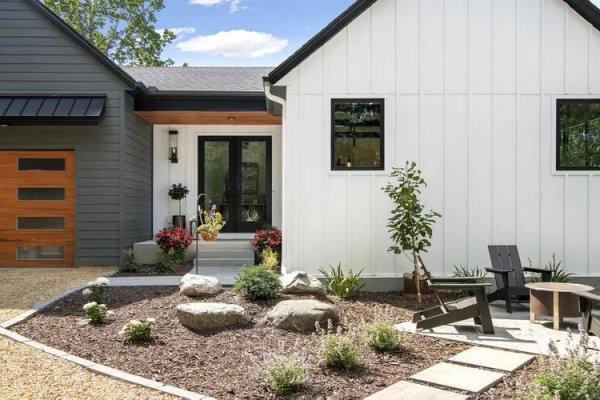
The featured designs come from a variety of sources, including professional interior designers, landscape photographers, and Instagram accounts, providing a broad perspective on how rocks and mulch can be integrated into different architectural styles. For instance, one design by Amy Leferink at Interior Impressions uses boulders to level a sloped front yard, while a mulch garden bed brings a clean, classic look. Another concept from The Home Consultant pairs a minimalist home exterior with a simple rock garden and a circular patch of mulch for color contrast.
Designs for Every Yard Shape and Size
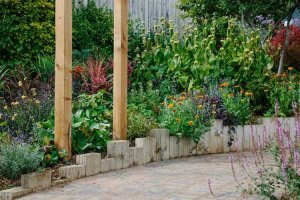
The collection includes ideas for small front yards, large expanses, and even corner lots. A small yard featured by benedek/Getty Images uses landscape rocks to fill a pathway, adding texture without overwhelming the space. In contrast, a grand look from Amy Leferink at Interior Impressions showcases a large mulch garden bordered by substantial rocks, making a bold statement. For corner yards, a design by jsnover/Getty Images uses a stacked stone border with red mulch to make green plants pop.
Sloped properties are also addressed. One idea from CharlieTurchetta/Getty Images uses large stones as both garden art and steps, turning a challenging slope into an asset. Another from Amy Leferink at Interior Impressions features boulders to level the garden, demonstrating that slopes can be opportunities rather than obstacles.
Functional and Decorative Uses
Rocks and mulch are not limited to garden beds. Several designs incorporate them into walkways, driveways, and even fire pit areas. A design by Mindy Gayer pairs sleek concrete slabs with landscape rocks for a pathway, while a mulch garden bed softens the overall look. For fire pits, rocks are highlighted as a budget-friendly and safe option, as shown in a design by @ann.living on Instagram, where a mulch garden surrounds the fire pit area for contrast.
In addition to these functional applications, the designs show creative uses of rocks and mulch to create focal points. A patterned rock garden by Mocha Girl Place uses a variety of rocks in different shades to resemble a piece of art. Another idea from @cottageandsea uses a smooth pebble border to contrast with dark garden mulch, making it easy to adjust the garden's shape by simply moving the pebbles.
Preparing the Ground and Choosing Materials
For those ready to undertake a rock or mulch landscaping project, proper preparation is key. The source material advises digging up turfgrass and leveling the ground before laying down landscaping fabric or newspaper to prevent weeds. Calculating the amount of rocks needed is also crucial, and spreading them evenly while leaving room for plants ensures a polished result.
When it comes to selecting materials, the options are varied. River rock, crushed rock, pea gravel, flagstone, lava rock, and brick chips each offer distinct benefits. River rock, for example, is smooth and aids in drainage, while pea gravel is soft and ideal for walkways. Flagstone, a sedimentary rock, can be sliced into various shapes, making it versatile for different designs. Lava rock serves as durable, permanent mulch, and brick chips add a colorful statement with their red hue.
Mulch and rocks each have their pros and cons. Rocks last for years and don't attract pests, but they are not organic and can overheat plants, requiring more water. Mulch needs to be replaced annually but enriches the soil. Homeowners should weigh these factors based on their specific needs and climate.
Ultimately, these 28 ideas offer a spectrum of possibilities for enhancing a home's exterior with rocks and mulch. Whether the goal is to reduce maintenance, add visual interest, or create a tranquil retreat, the designs provide a practical starting point for any front yard transformation.