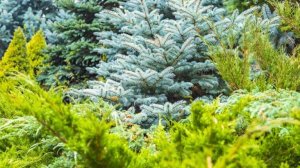
Conifers, dating back over 300 million years, are ancient cone-bearing plants found on every continent except Antarctica. With more than 600 species, they play crucial ecological and economic roles, from supporting wildlife to providing timber and paper. This article explores their biology, diversity, and significance.
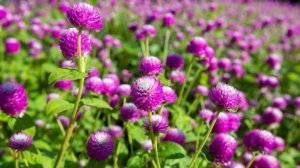
Gomphrena, commonly known as globe amaranth, offers gardeners a wide range of colorful, drought-tolerant varieties suited for borders, containers, and bouquets. This guide highlights 19 distinct cultivars, from compact dwarfs to tall cut-flower types, with notes on their growth habits and uses.
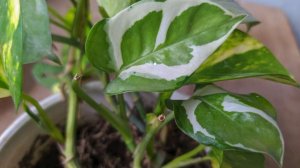
Root rot is a common fungal disease that kills indoor pothos plants when overwatering or poor drainage creates soggy soil. This article outlines the key symptoms—wilting, yellowing leaves, mushy stems, and more—and explains how to confirm and treat the problem before it's too late.
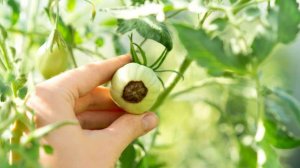
Blossom end rot, a common physiological disorder, leaves tomatoes with dark, sunken spots at the base. This article explains its causes—including calcium deficiency, watering stress, and soil pH—and offers practical prevention strategies for gardeners.
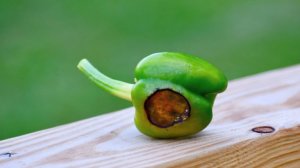
Black or brown spots on bell peppers signal one of four common issues: sunscald, blossom end rot, anthracnose, or bacterial leaf spot. This guide explains how to identify each problem and outlines practical steps for treatment or prevention, helping gardeners protect their crops.
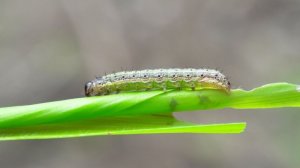
Armyworms, the larvae of Noctuidae moths, can devastate crops and lawns in large numbers. This article outlines identification, life cycle, feeding habits, and control methods, including natural predators, biological sprays, and preventive measures.
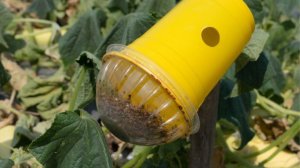
Learn how Integrated Pest Management (IPM) can help gardeners control pests while protecting beneficial insects. Discover prevention, monitoring, and intervention strategies, plus alternatives to chemical pesticides, to maintain a healthy garden ecosystem.
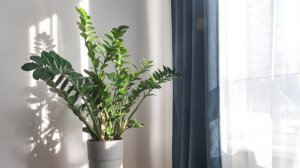
Learn to identify and manage five common pests that can affect ZZ plants, including aphids, spider mites, whiteflies, fungus gnats, and mealybugs. The guide covers prevention strategies, such as inspecting new plants, and control methods using organic sprays and physical removal.
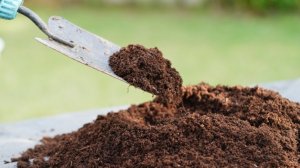
Gardeners are increasingly turning to peat-free mixes as concerns grow over the environmental cost of harvesting ancient bogs. This article explains the role of peat in gardening, the benefits of alternatives like coconut coir and compost, and provides simple recipes for making your own peat-free potting mixes.
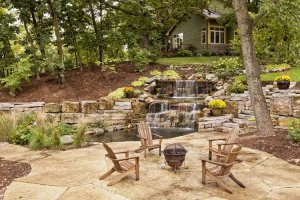
Real estate agents and investors caution that certain landscaping projects—such as high-maintenance gardens, artificial turf, and above-ground pools—can reduce a home's resale appeal. These features often require costly upkeep or seem too personalized for potential buyers. Experts recommend focusing on simple, timeless outdoor designs that appeal broadly.